

Rouen is a city filled with history, which you can read about below, but for me, Rouen is one of the most important bucket list destinations ever to appear on my list.
I’ve been obsessed with genealogy since I was a kid visiting my great-grandmother in South Dakota who still spoke more French than English. She’s the reason I started studying French in middle school and continued through college.
So to finally have the opportunity to travel to Rouen was extraordinary and surreal and momentous.
On March 18, 2026, we arrived in the city of my Lalonde ancestors, where my 11th, 10th, and 9th great grandfathers were born.
They lived in Rouen during the 100 years war, the plague, the English occupation of Normandy, and the heresy trial and subsequent burning at the stake of Jeanne d’Arc.
It’s no wonder my 9th great grandfather sought the opportunity to go to a new land. Jean Philippe Lalonde, my 9th great grandfather, was one of the premier arrivants in Quebec.




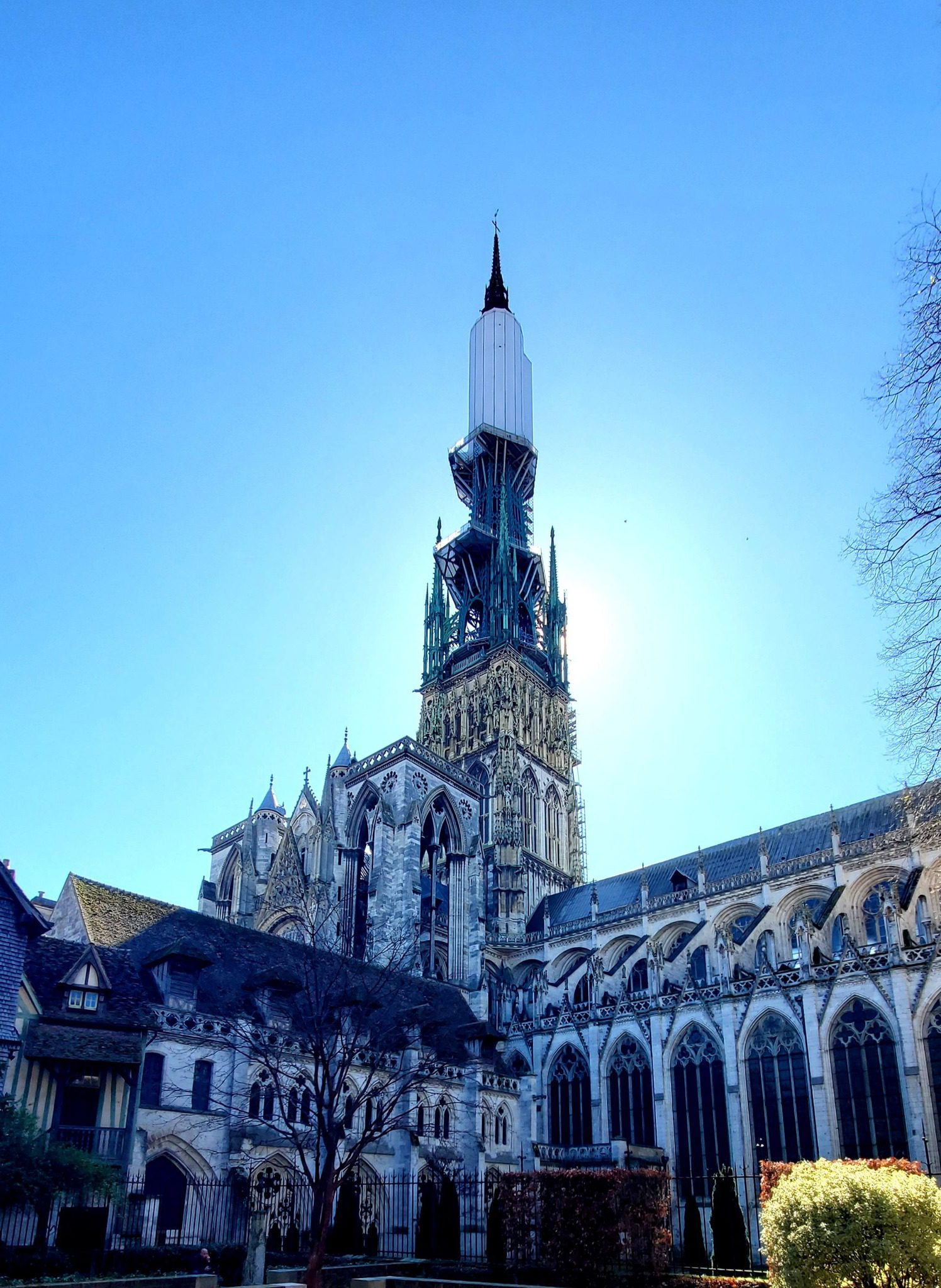
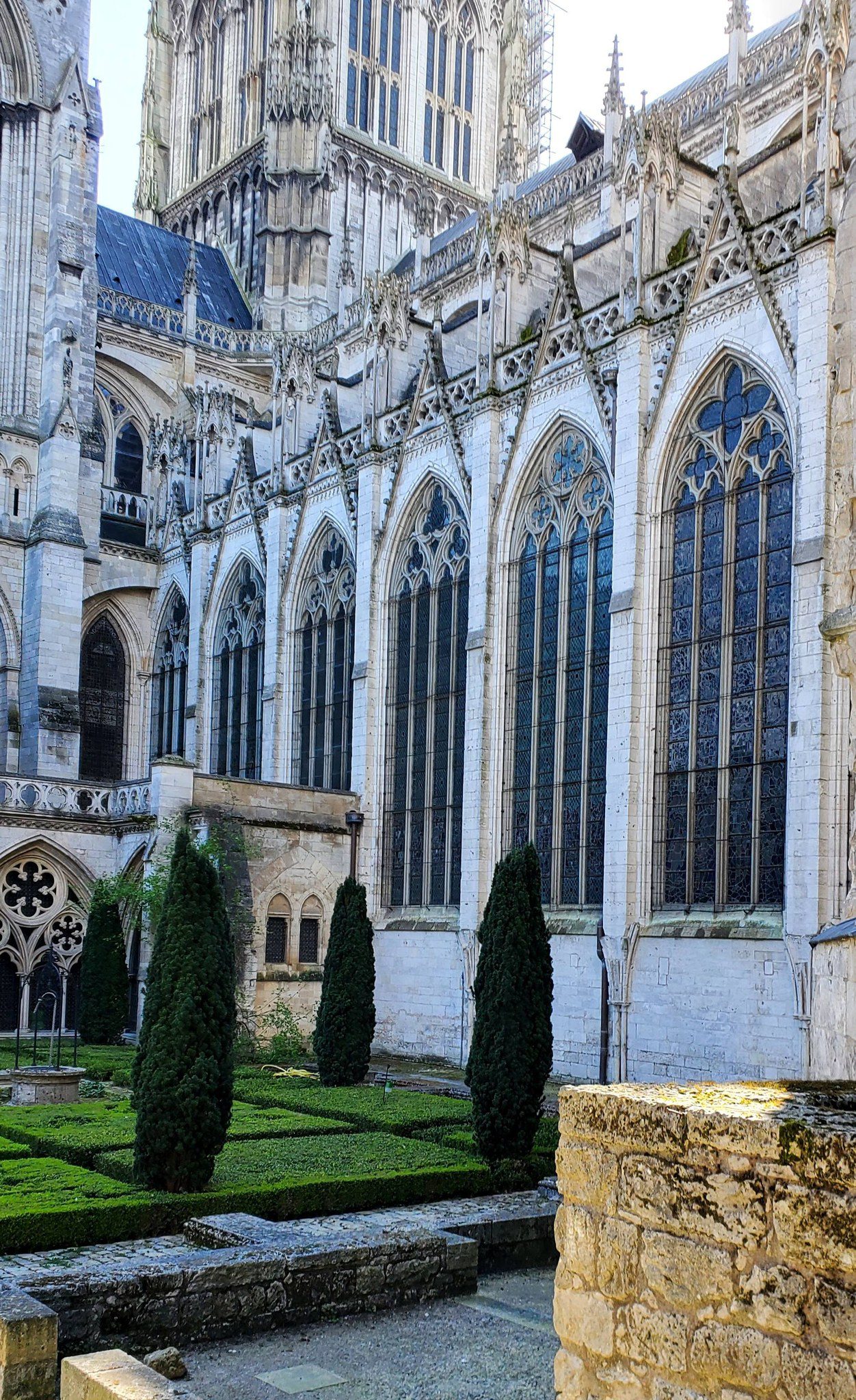
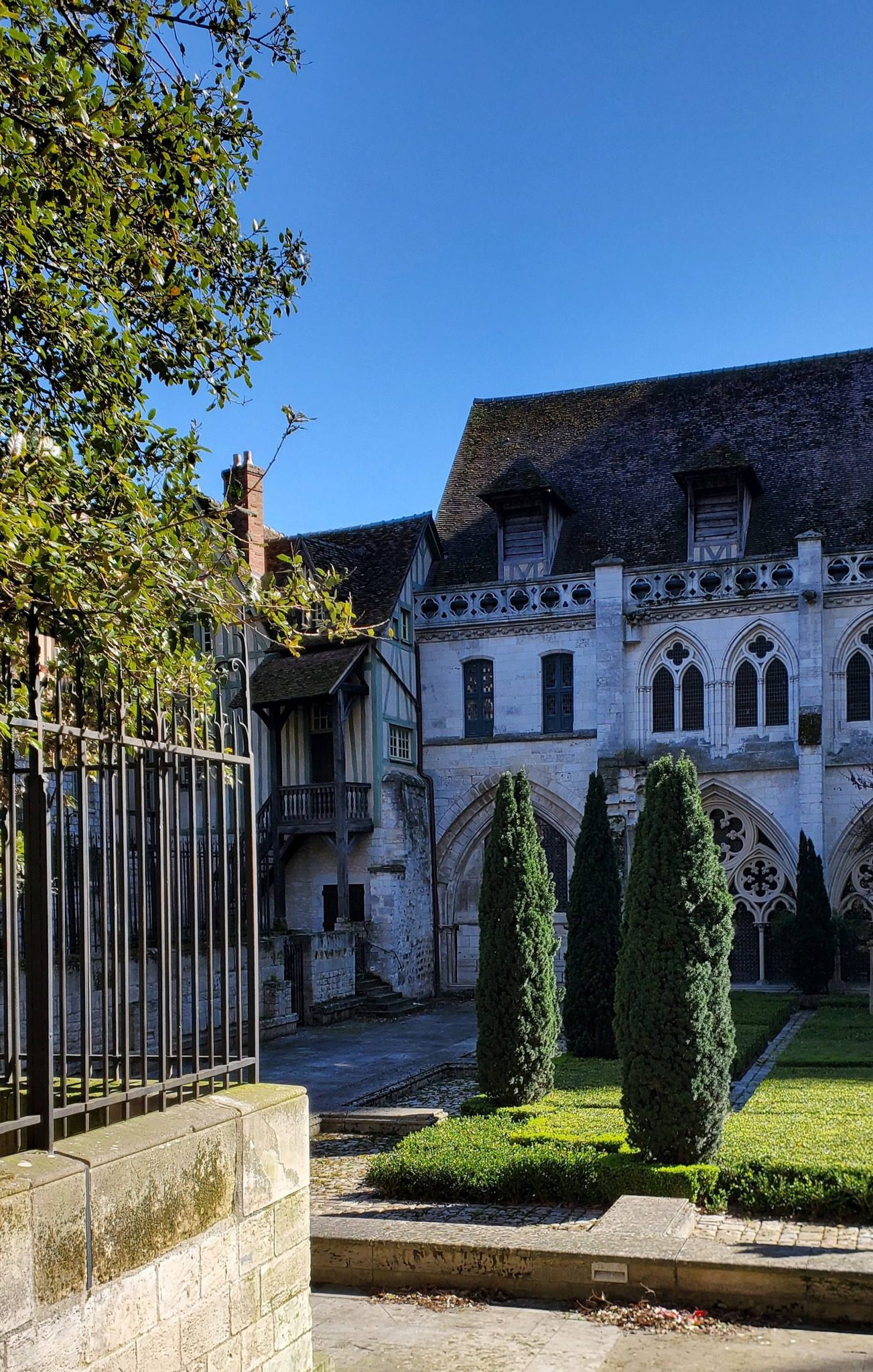
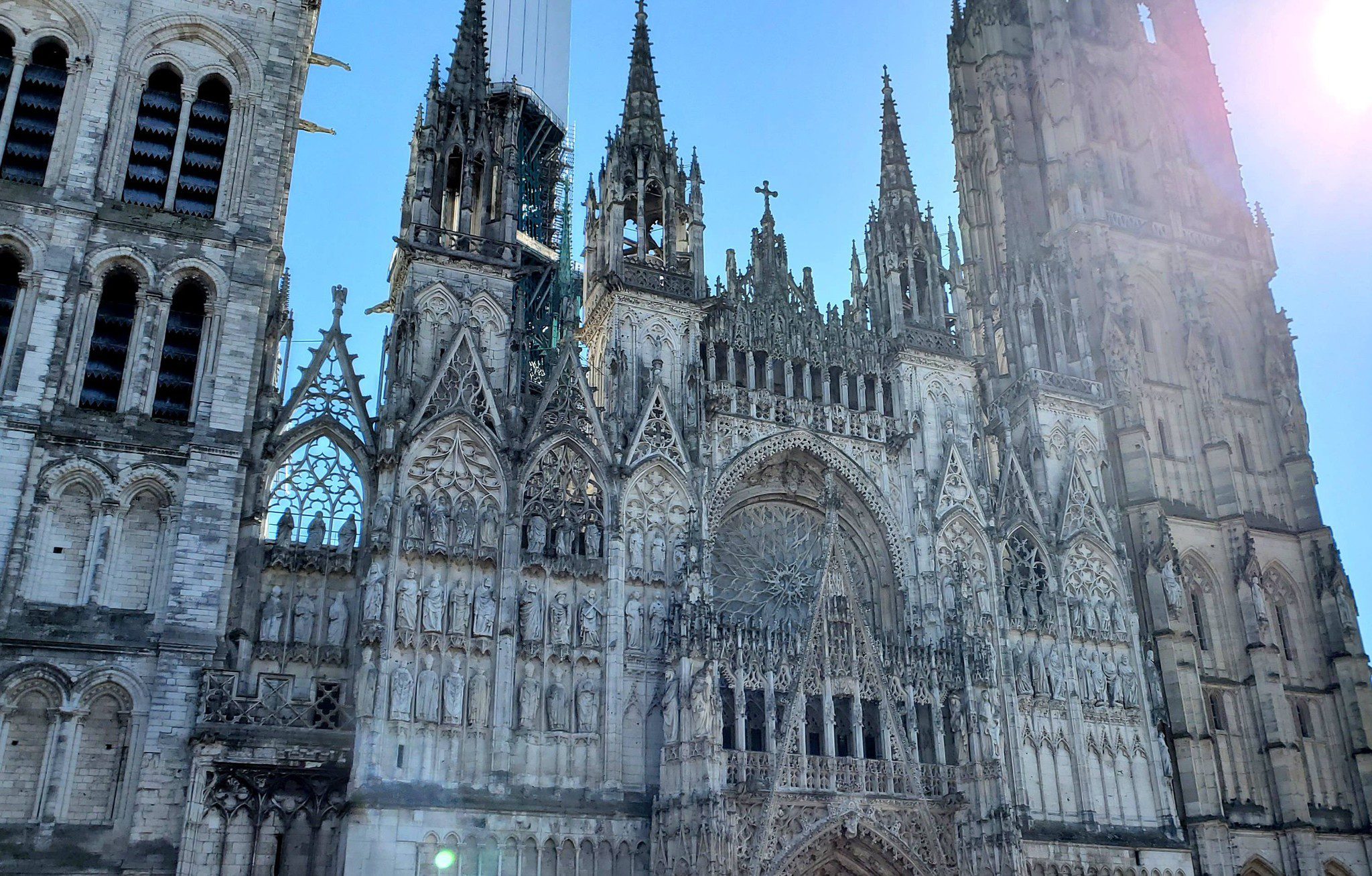
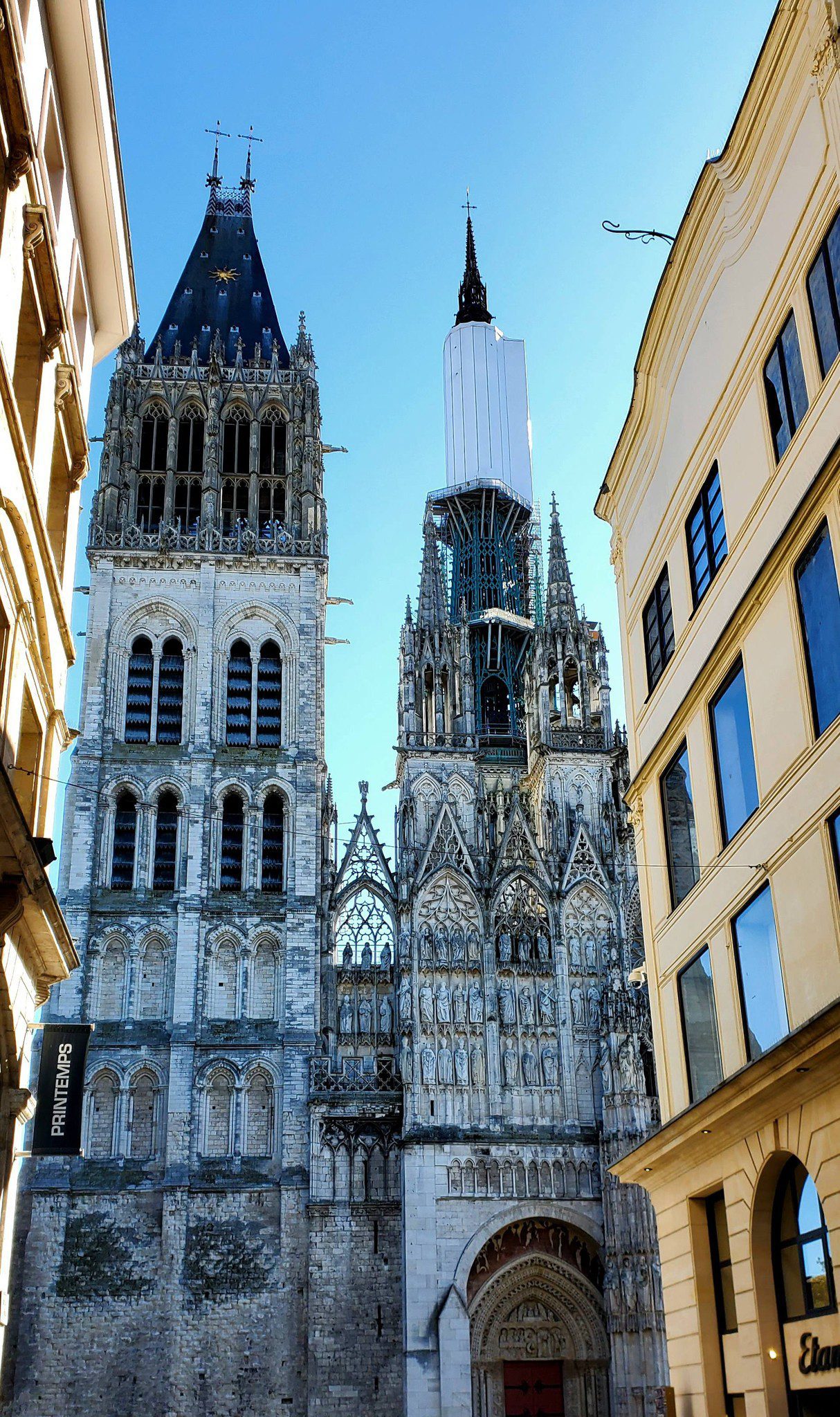
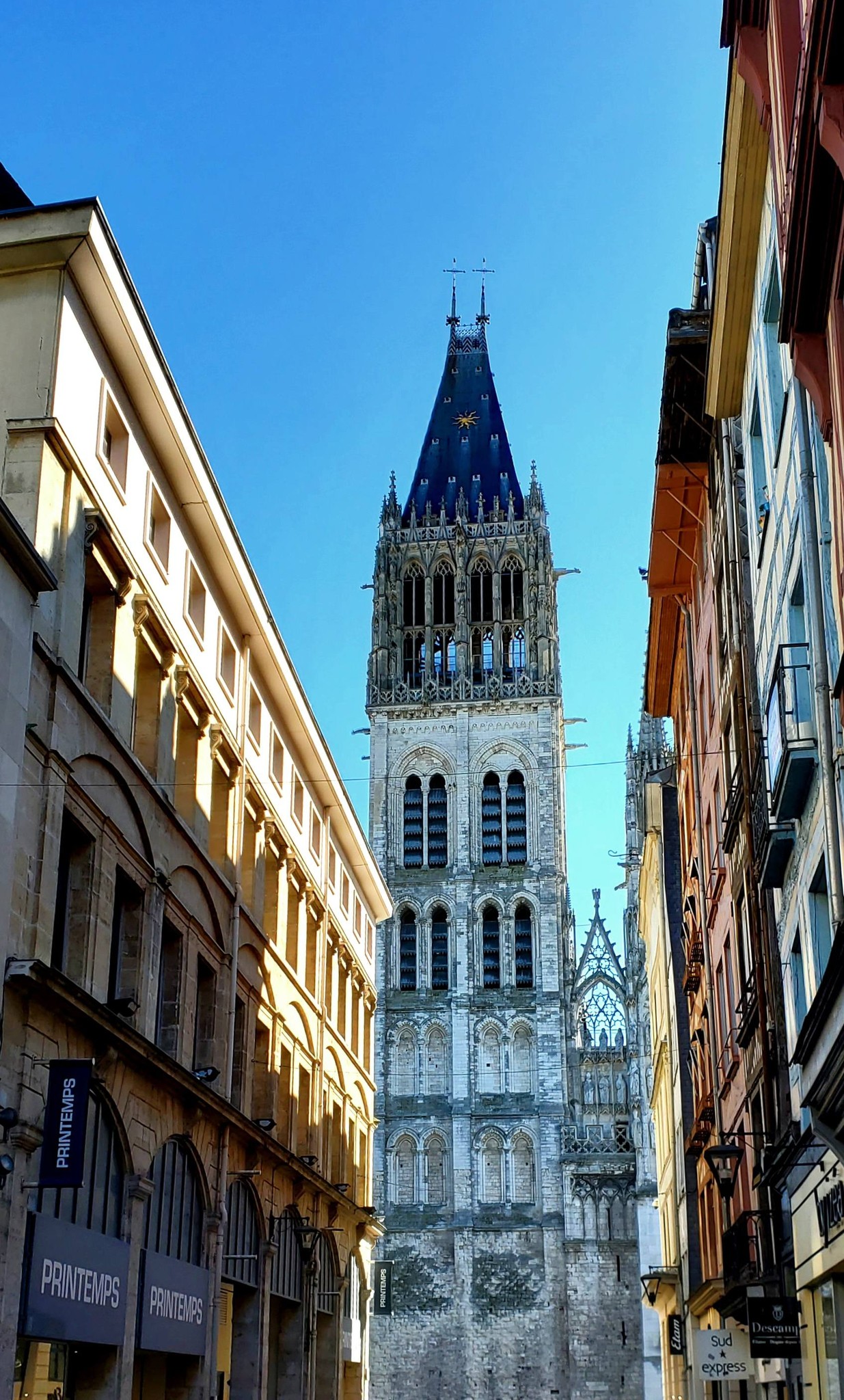
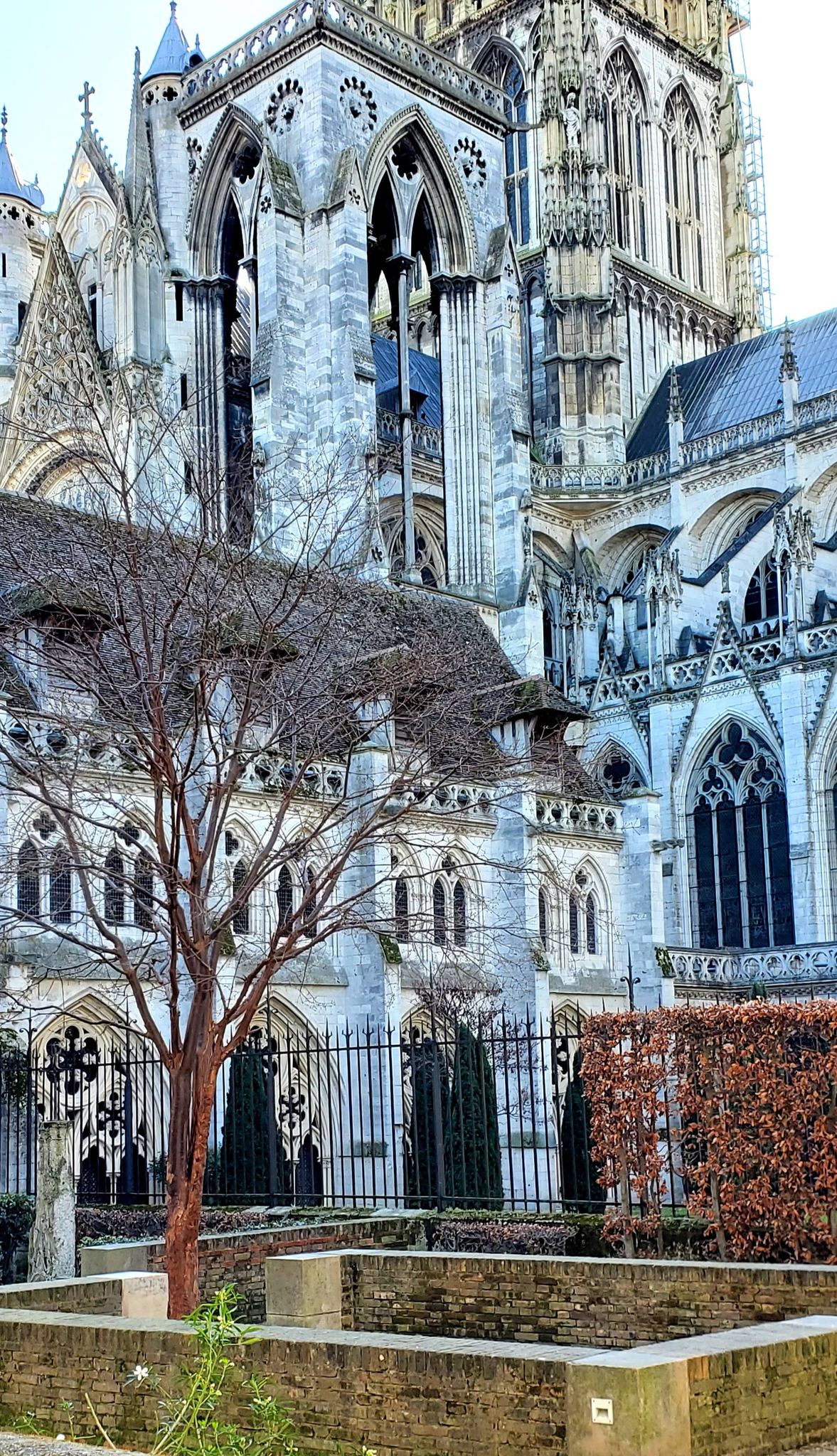
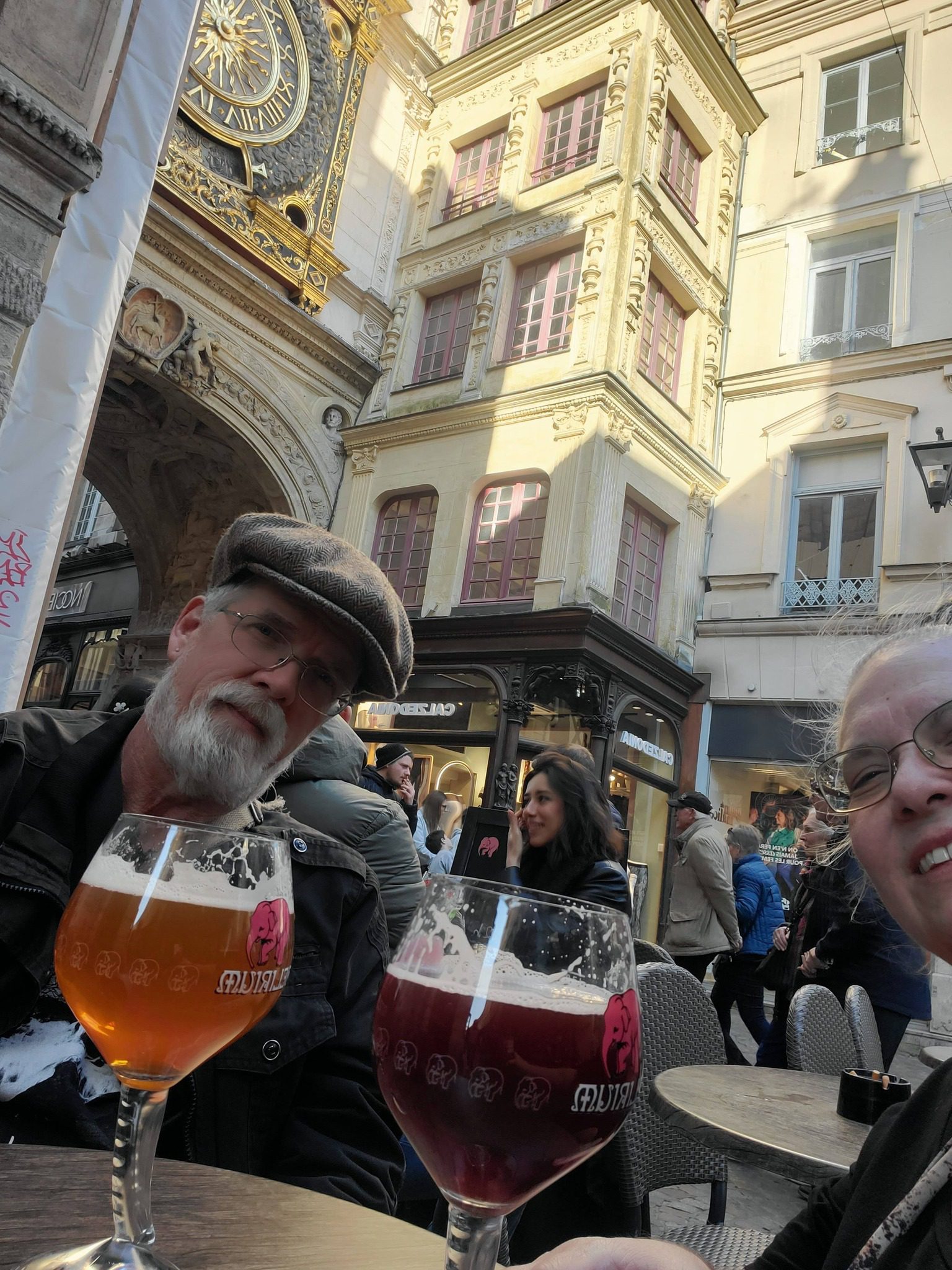
We continued to explore Rouen, going from le Gros-Horloge, a large clock built in the 14th century, to the Notre Dame Cathedral to Eglise Saint-Maclou to the Palais de Justice.
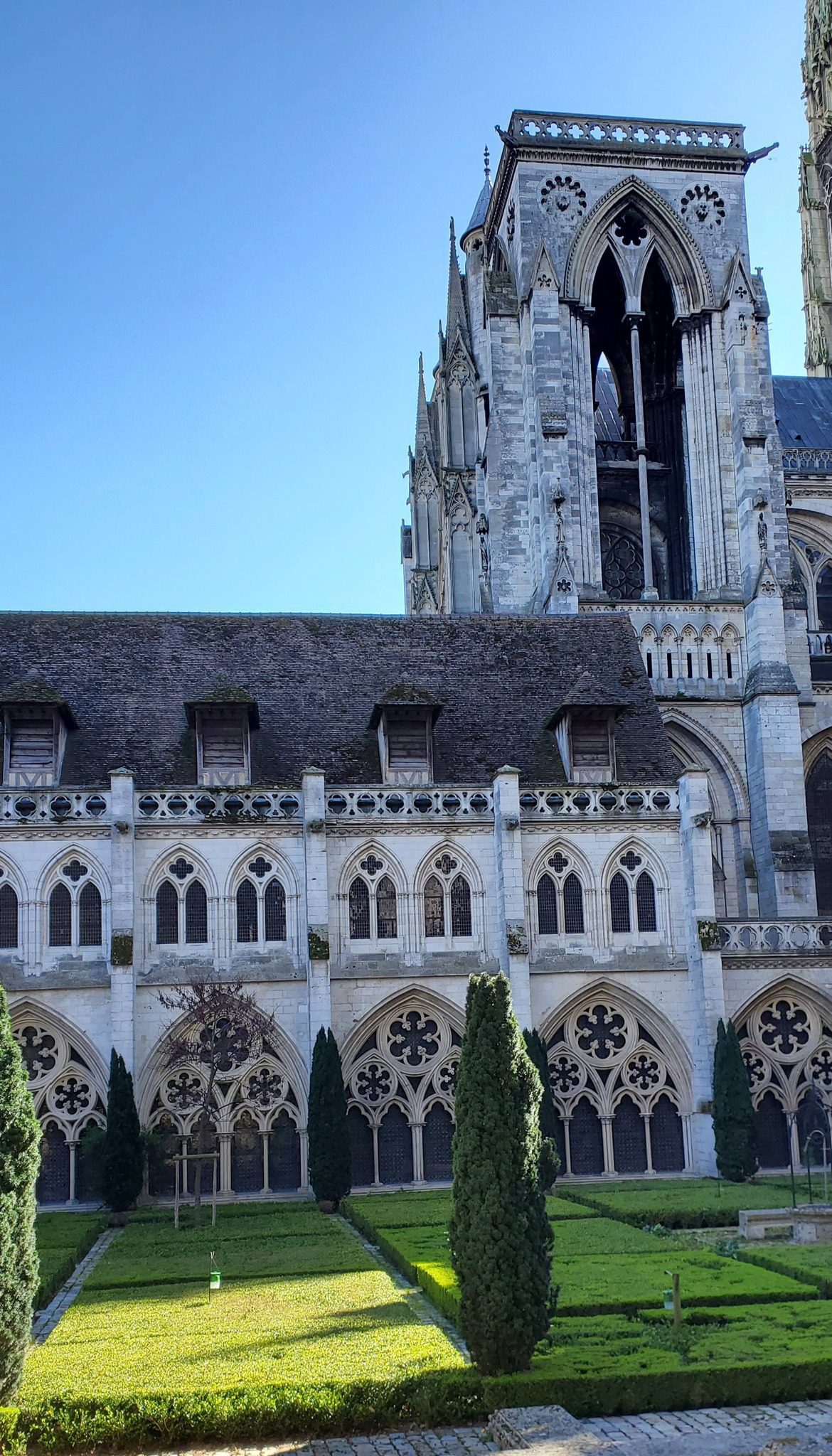
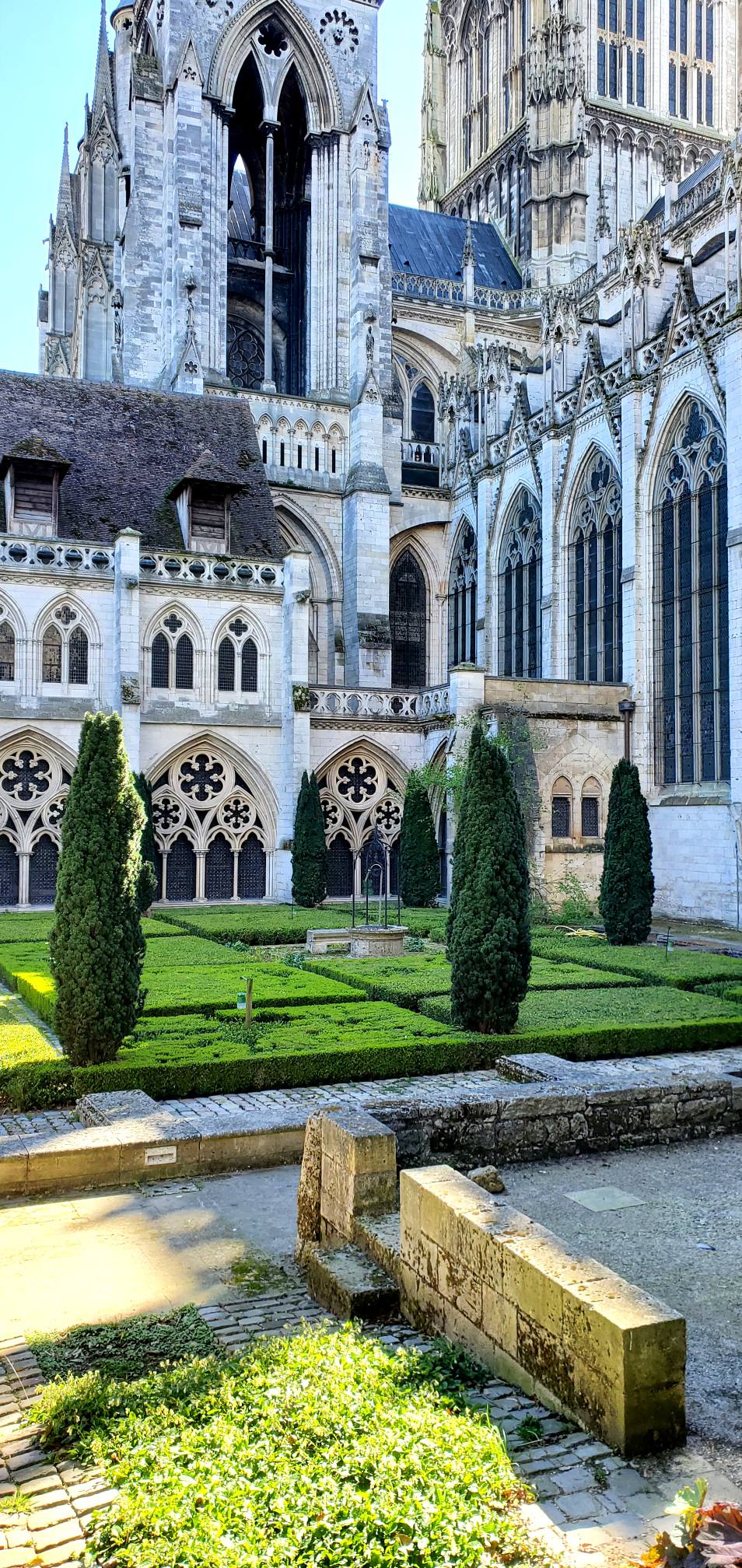
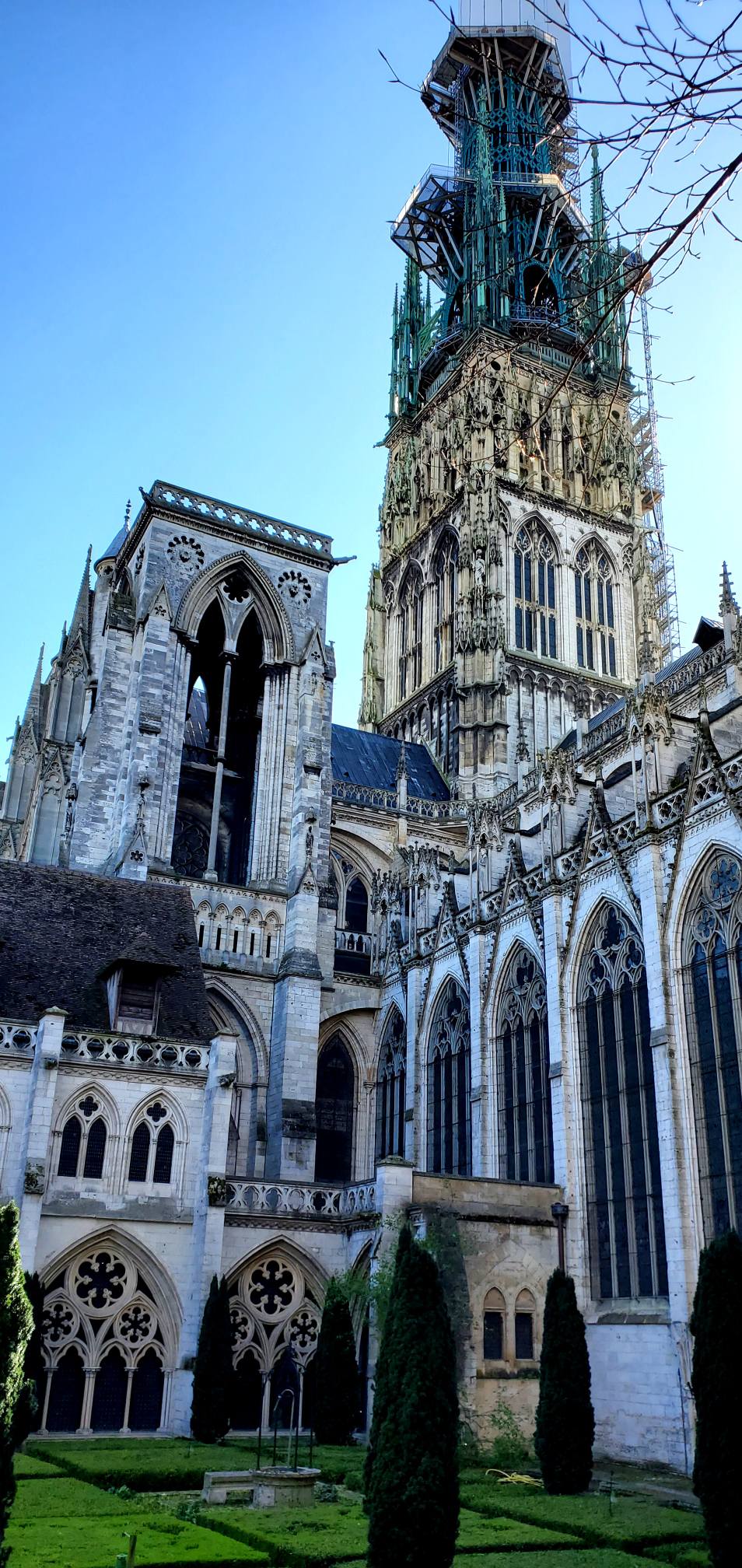
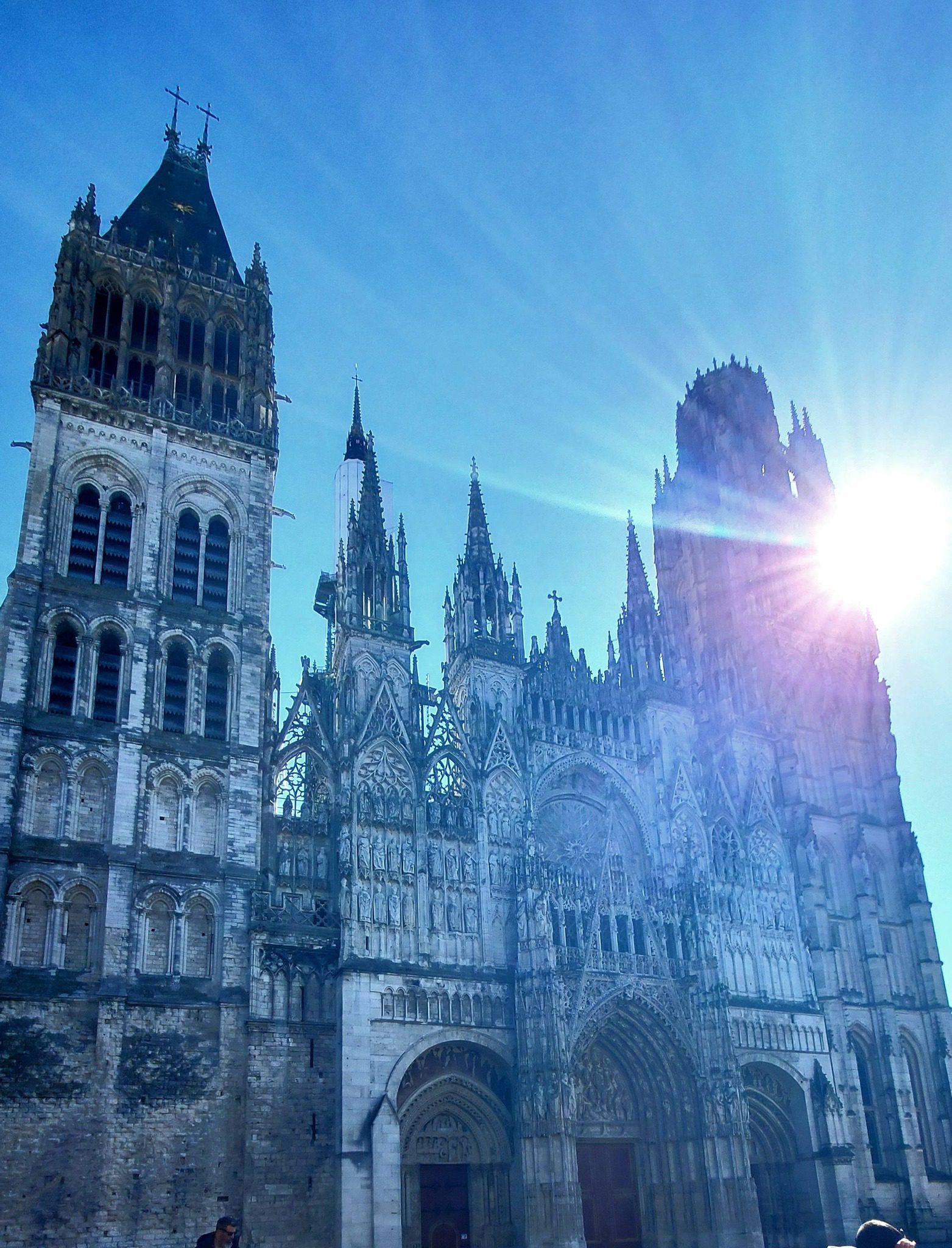


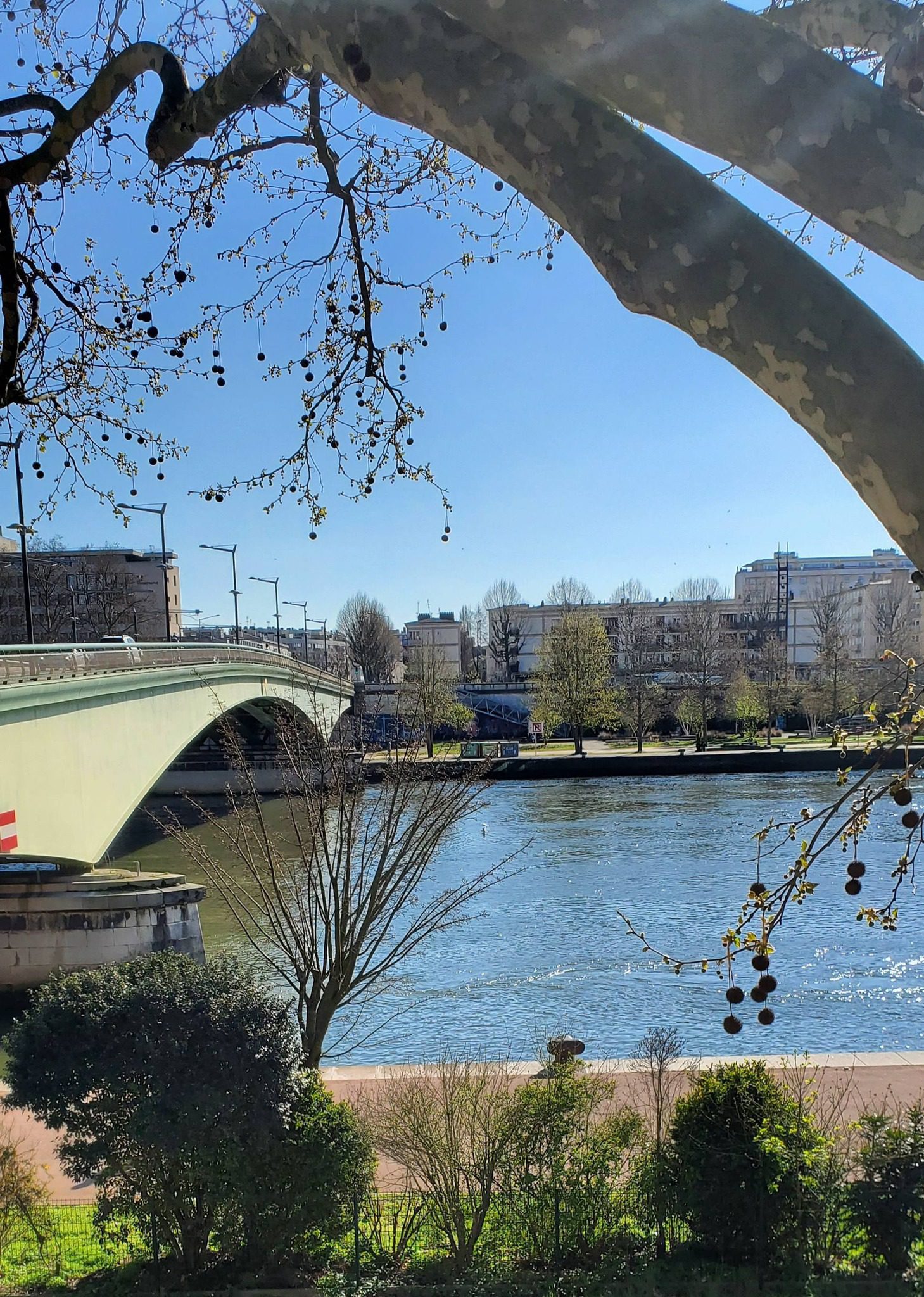
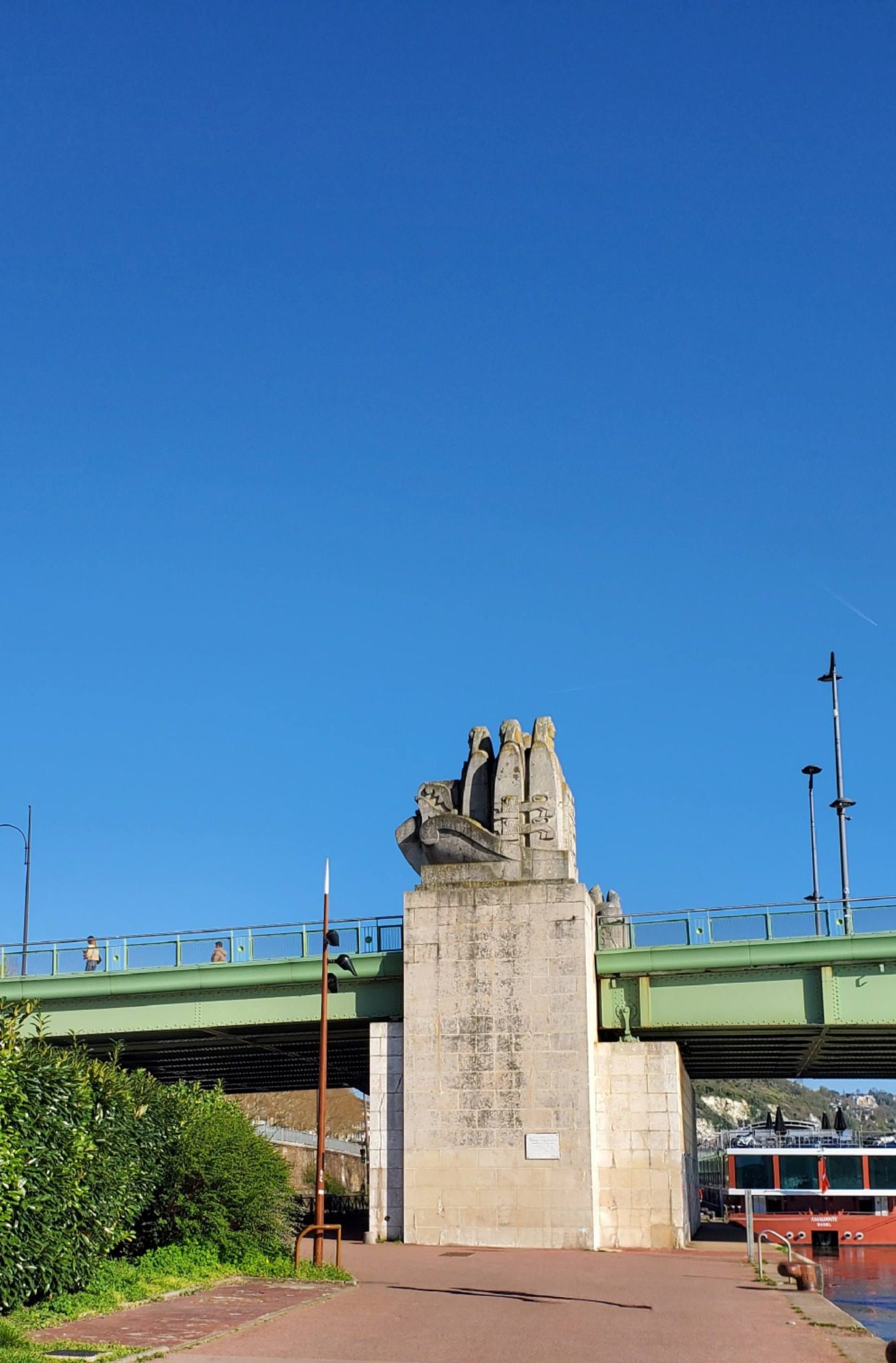
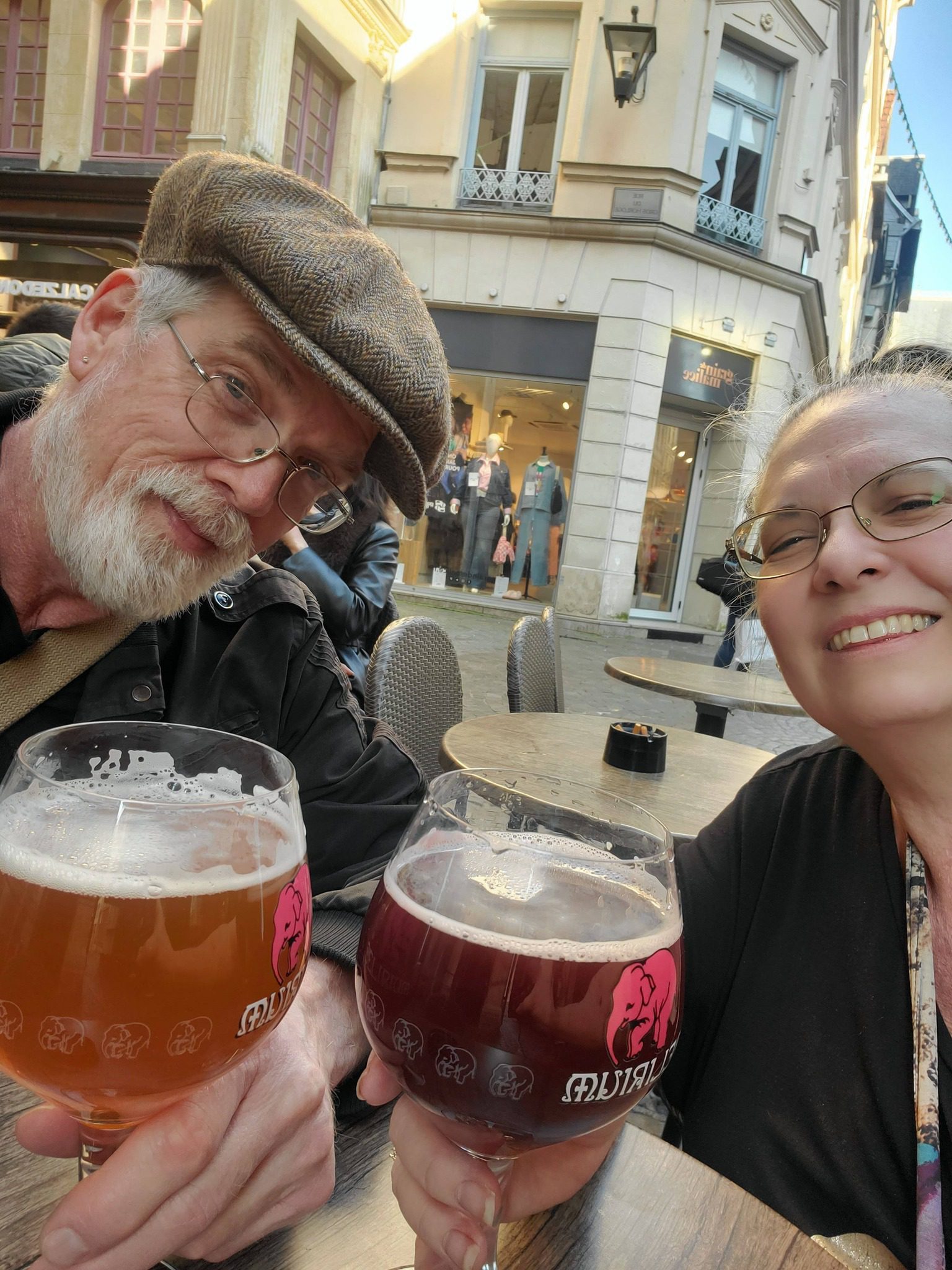
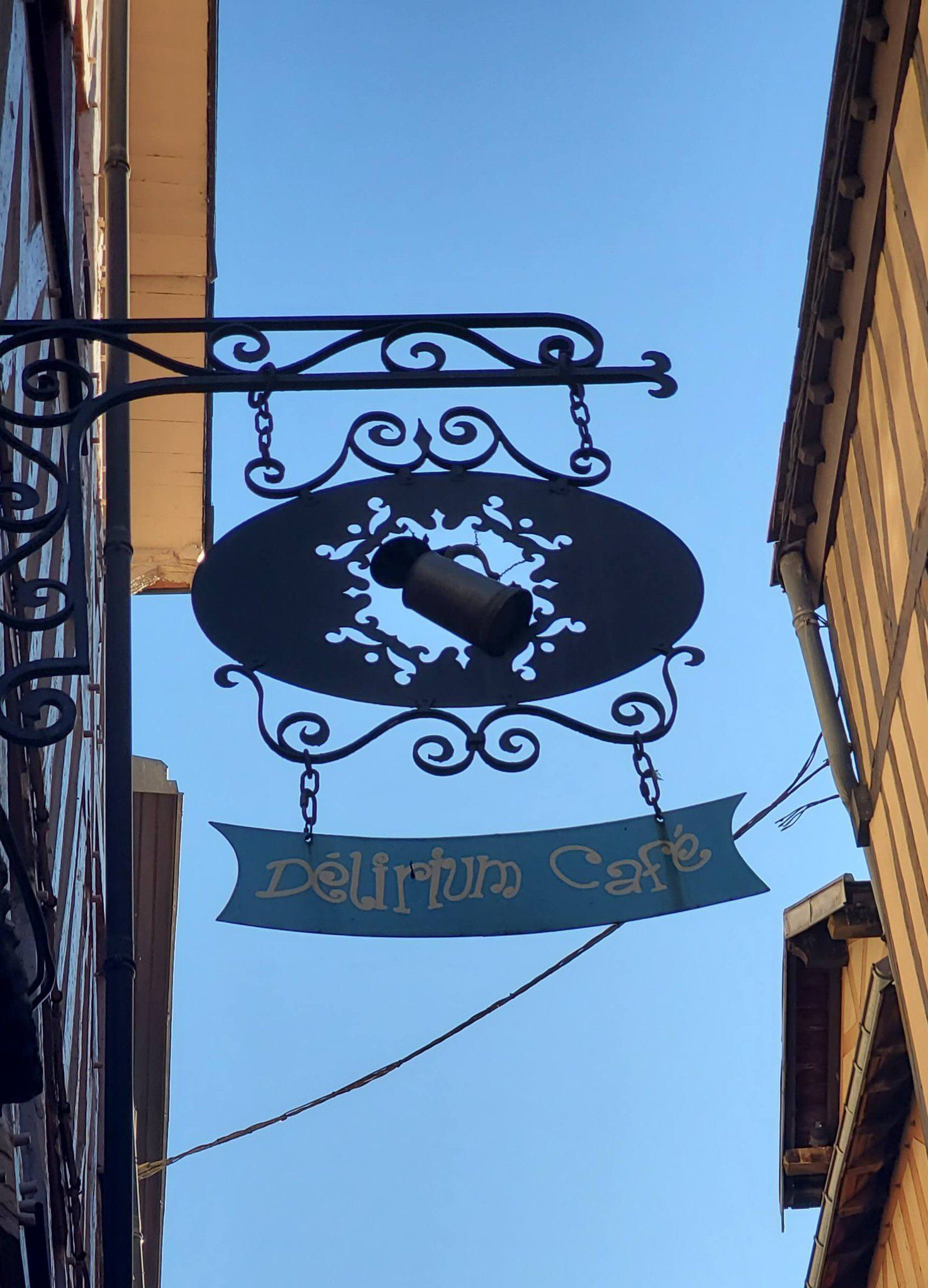
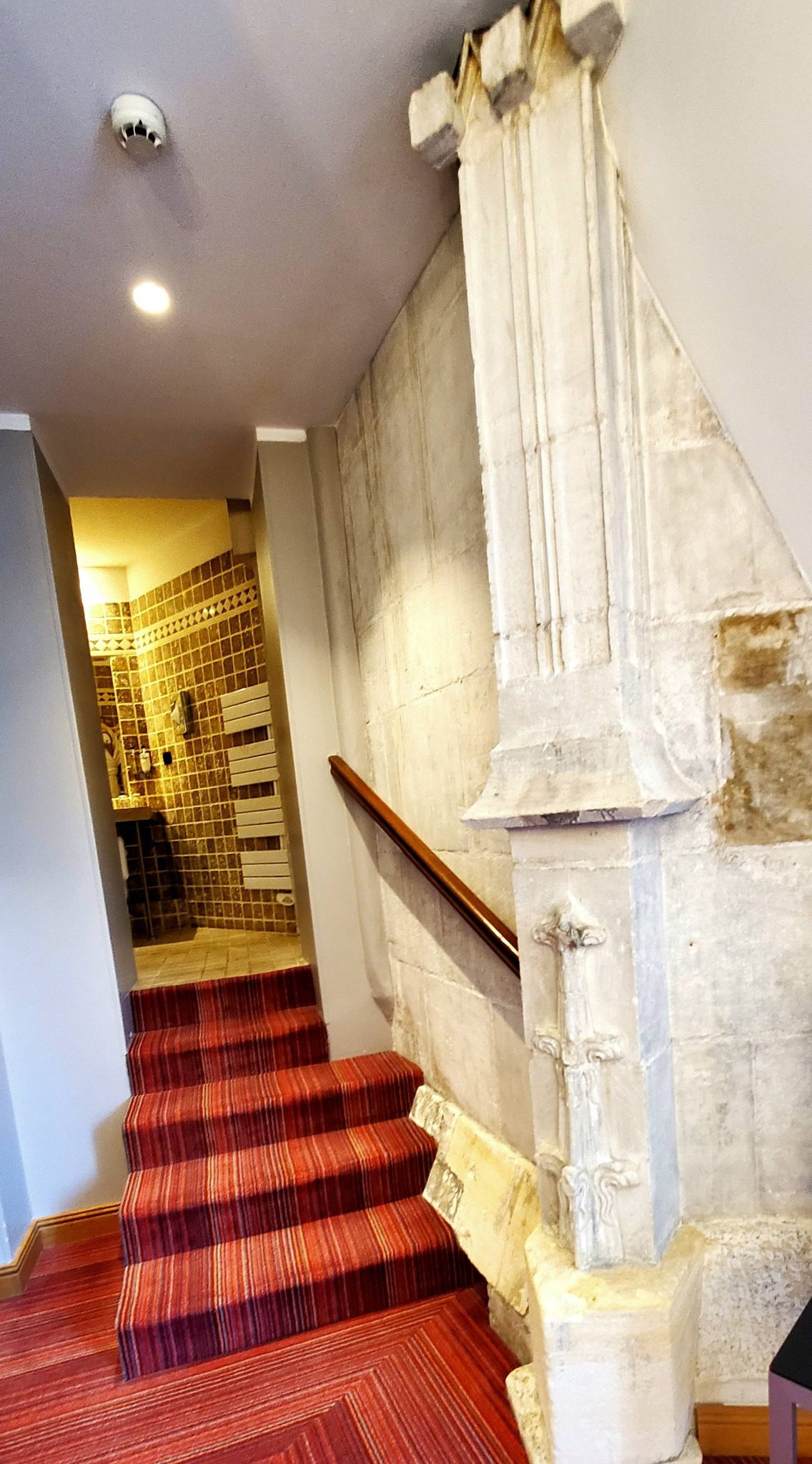
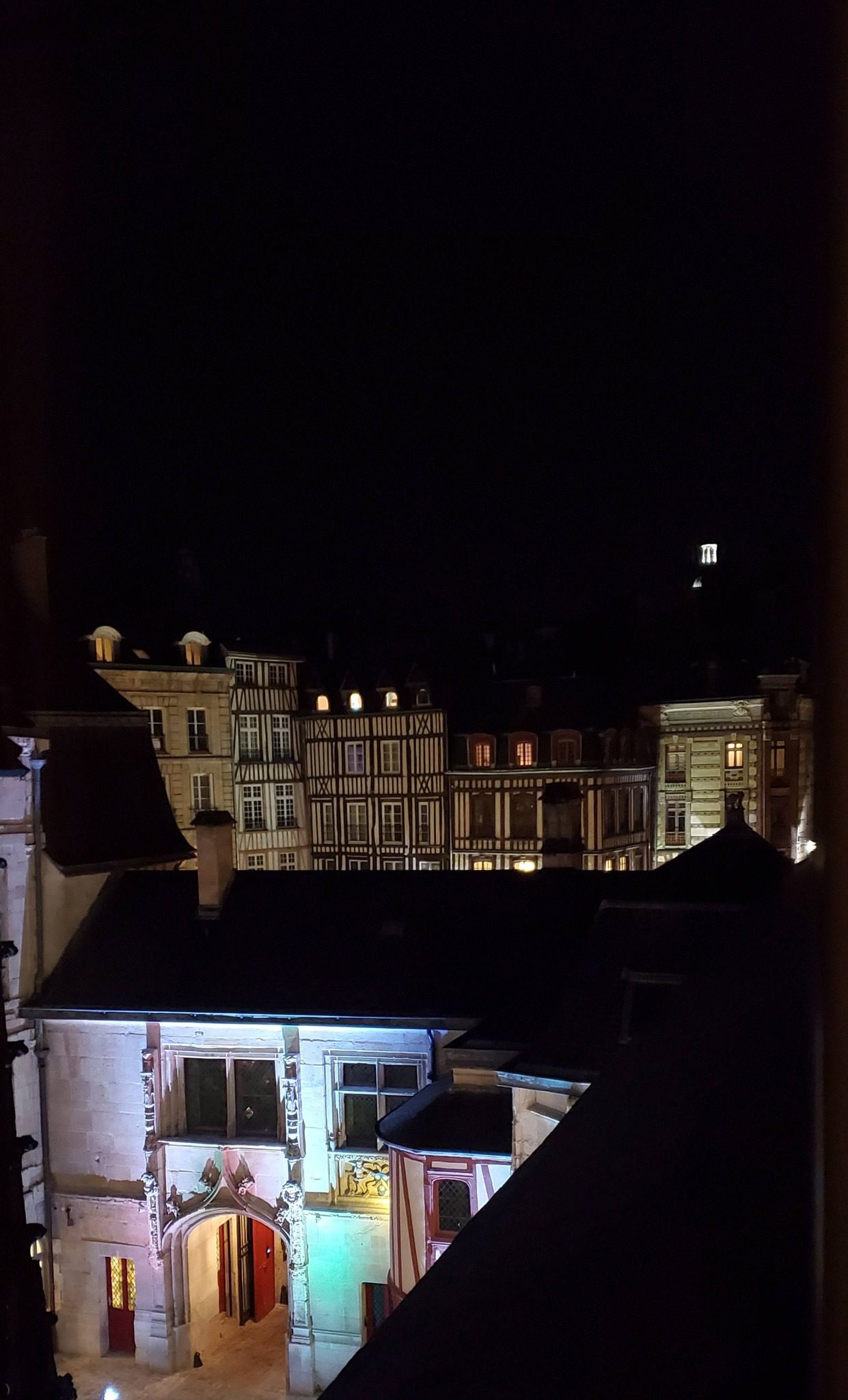
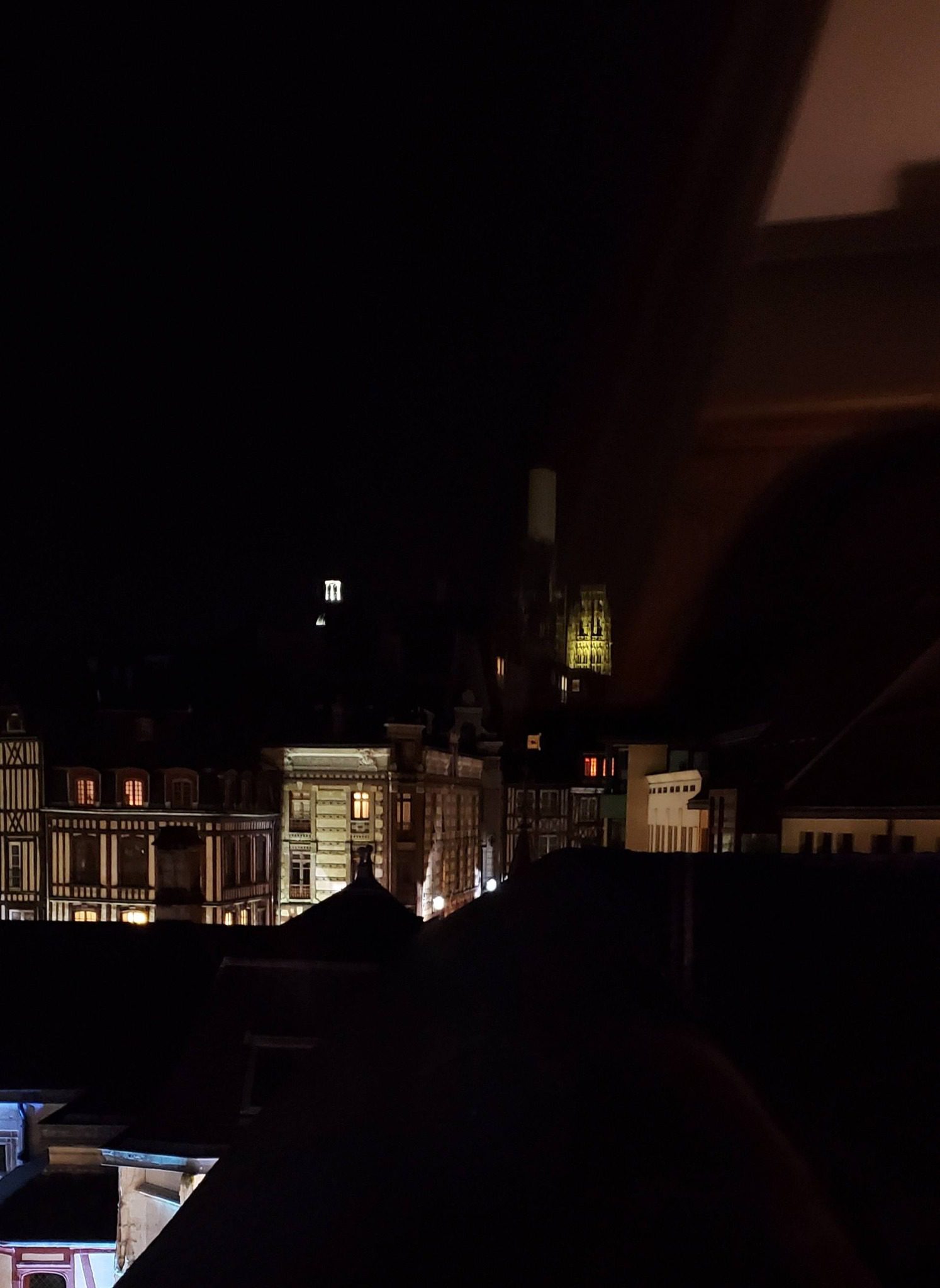
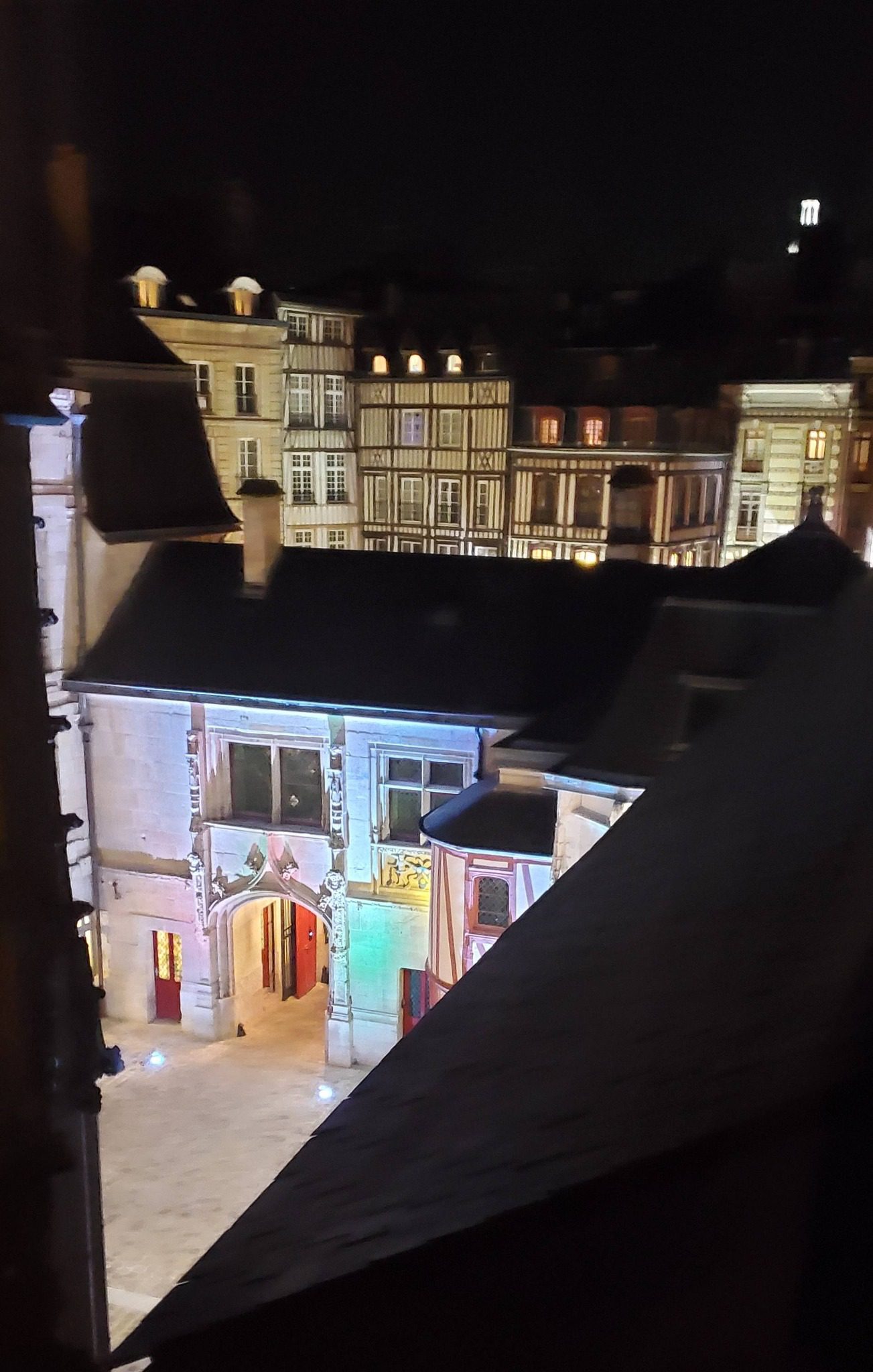
We ended our first day in Rouen with a walk along the Seine, fabulous beers at the Delirium Cafe, McDonald’s  to feed our slightly tipsy hunger (all we had eaten all day was a jambon et fromage baguette sandwich we had split from a boulangerie and the McDonald’s was next door to the pub), and then enjoyed the gorgeous views from our room.





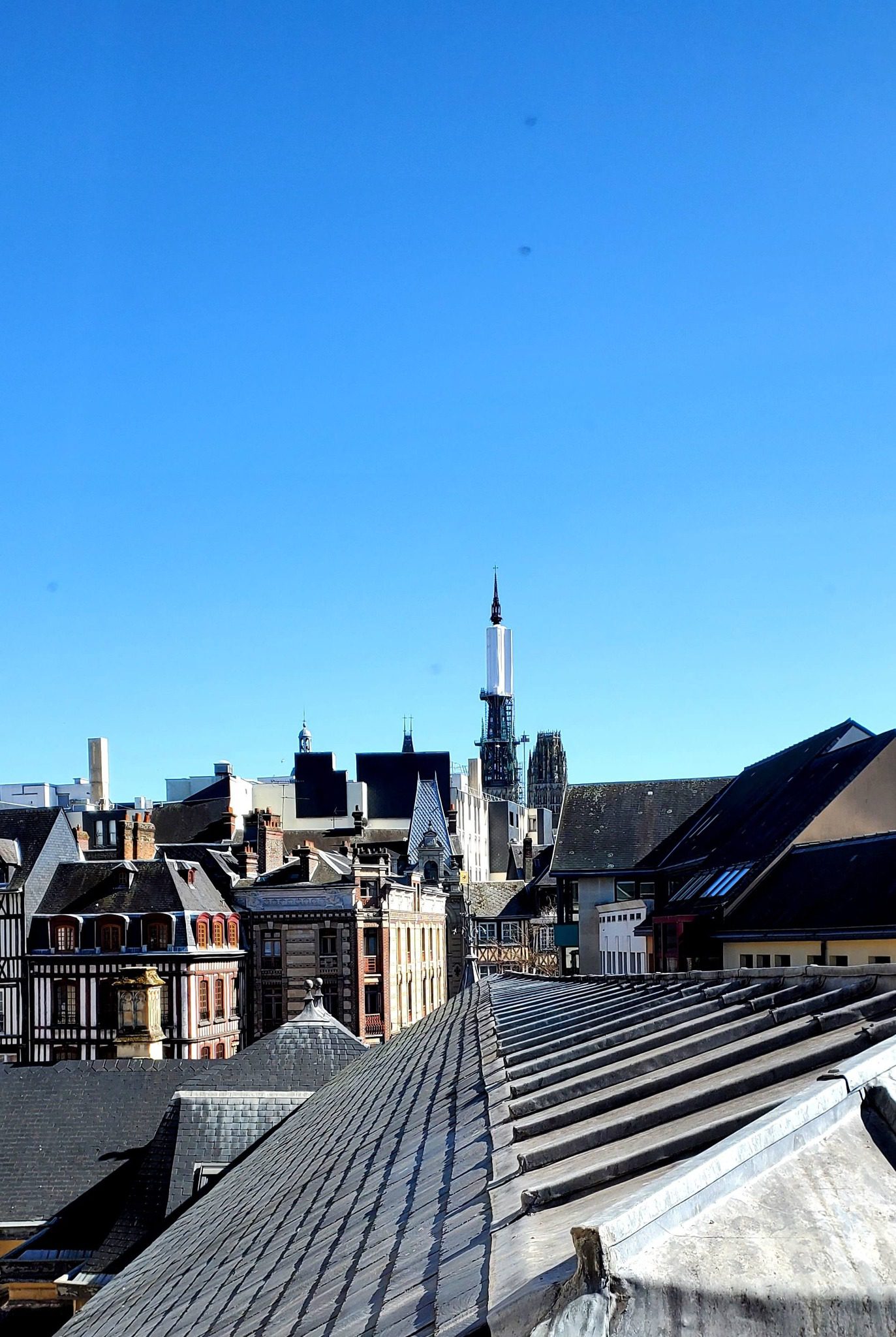
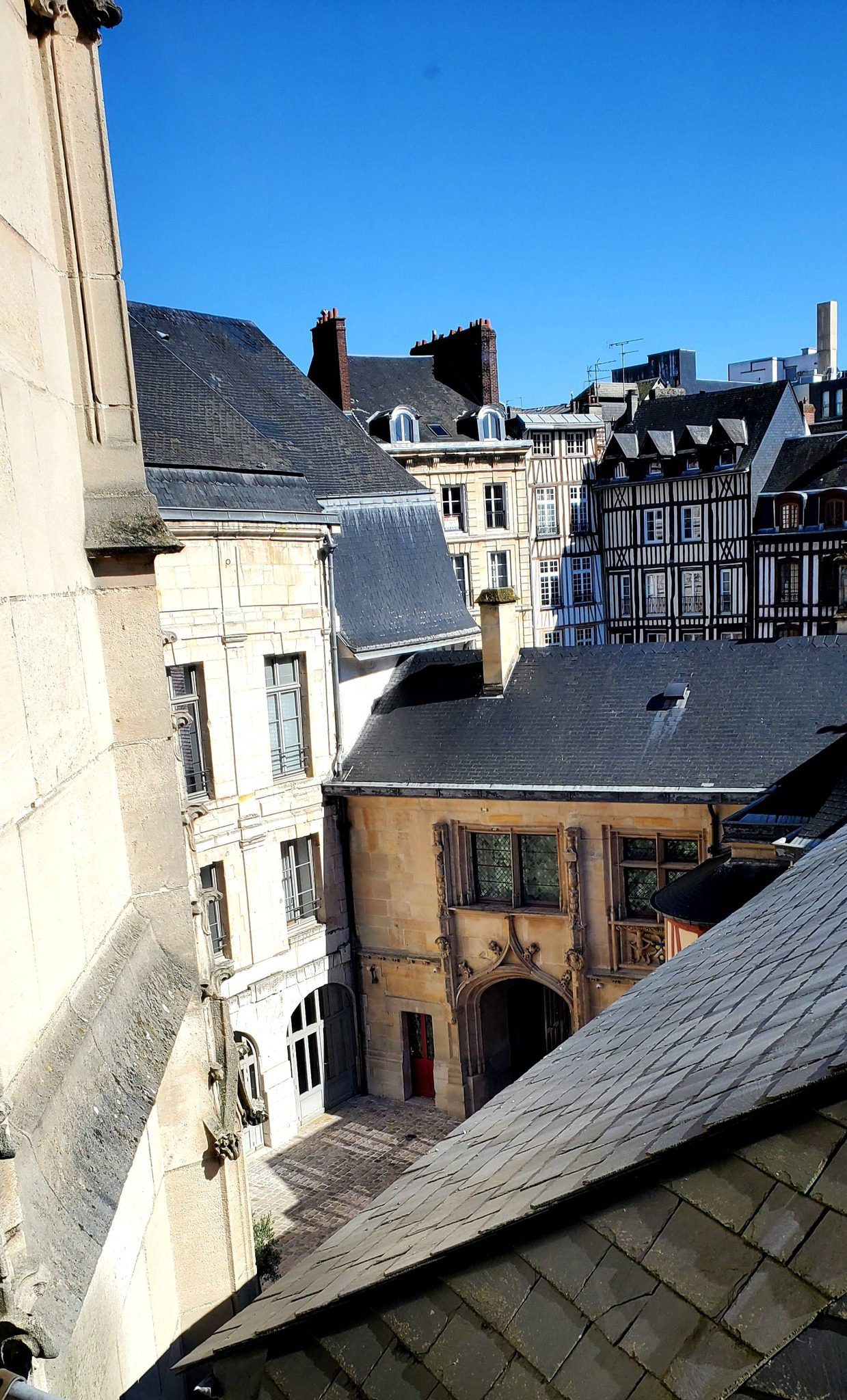
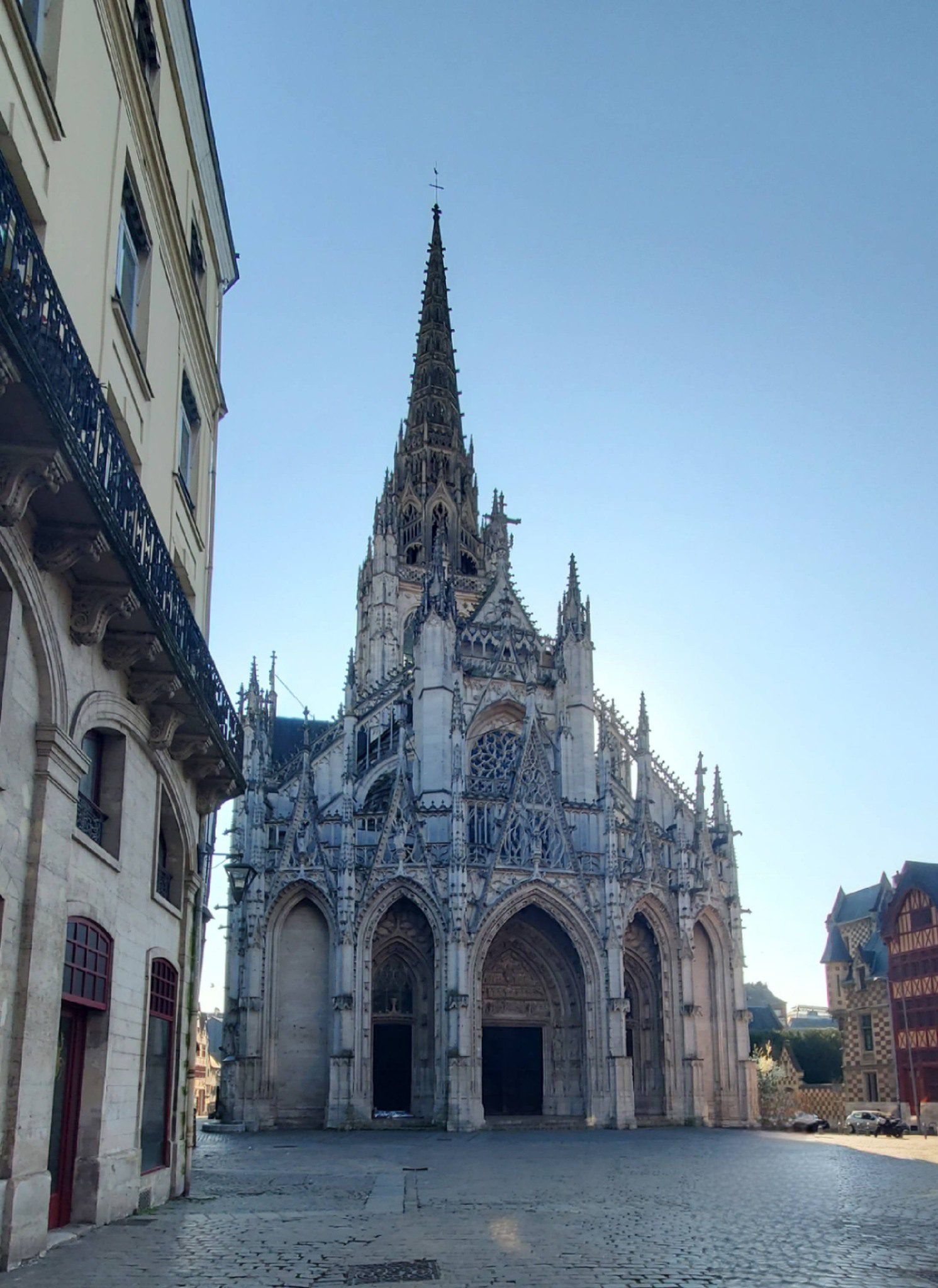
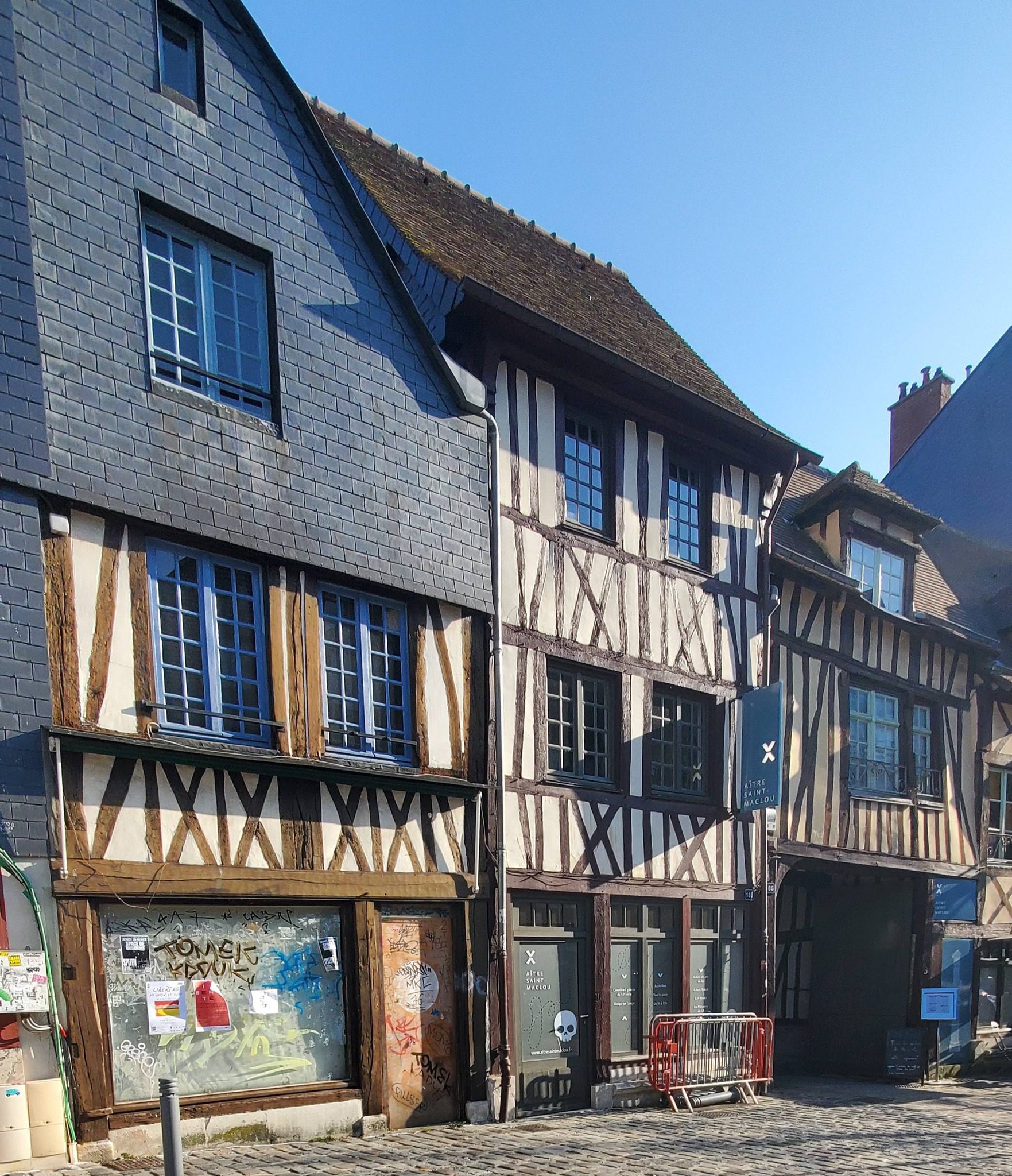
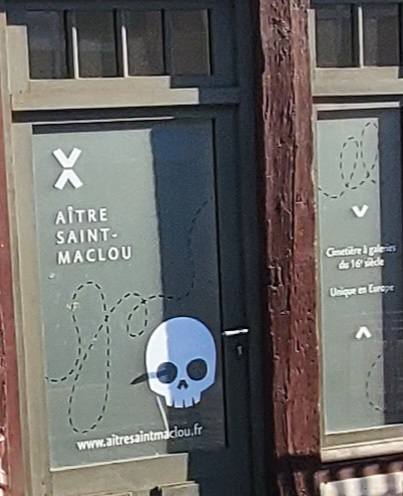


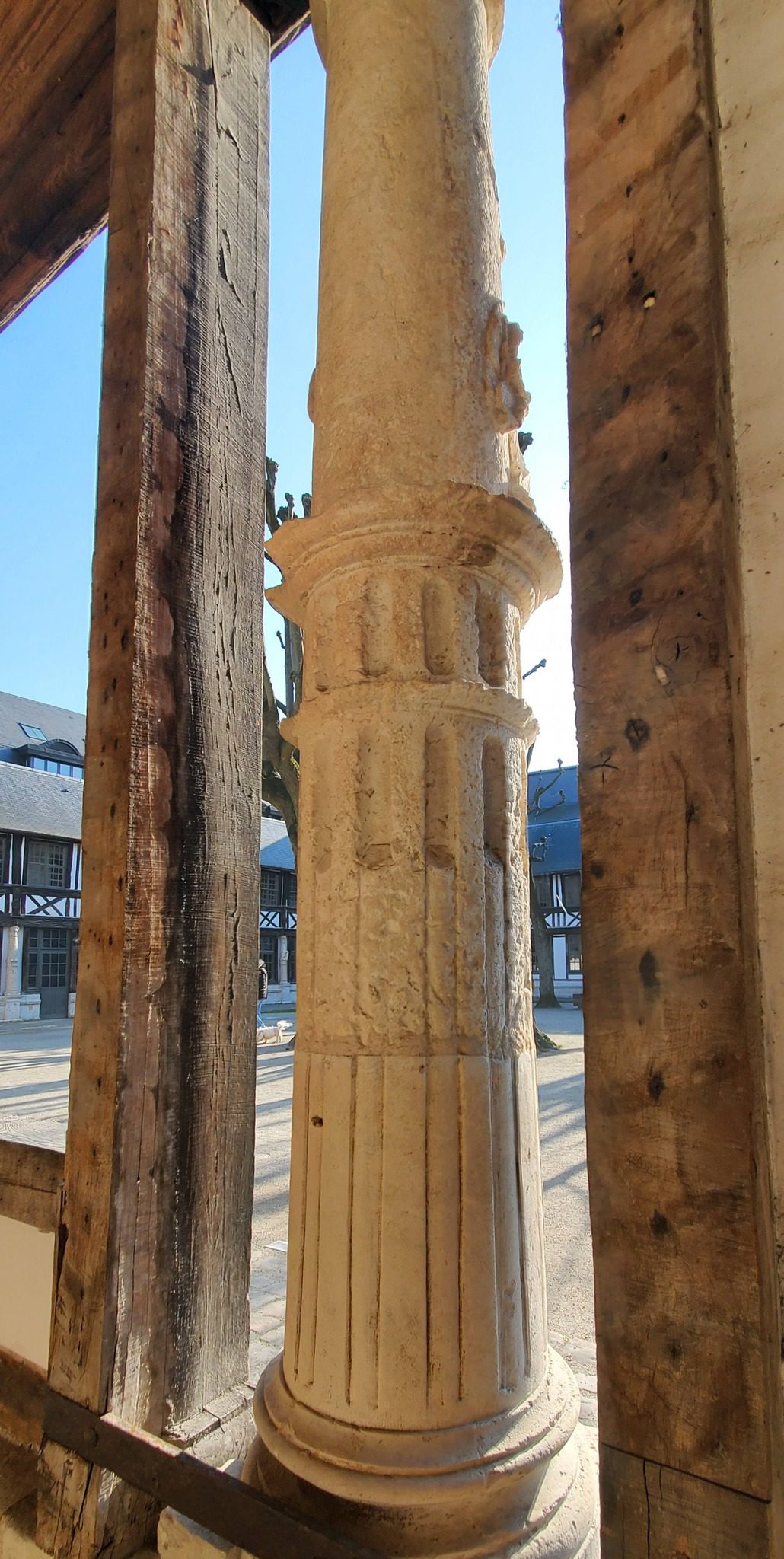


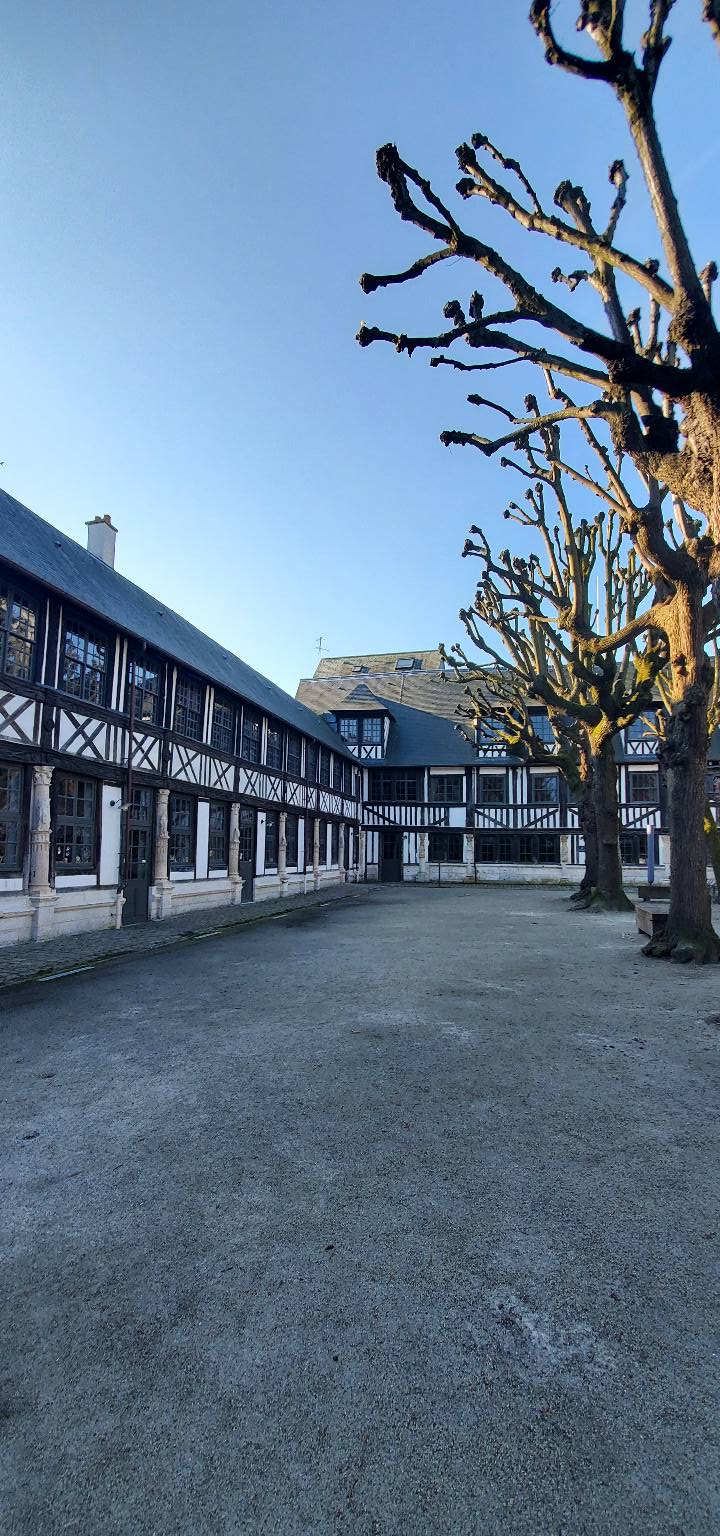

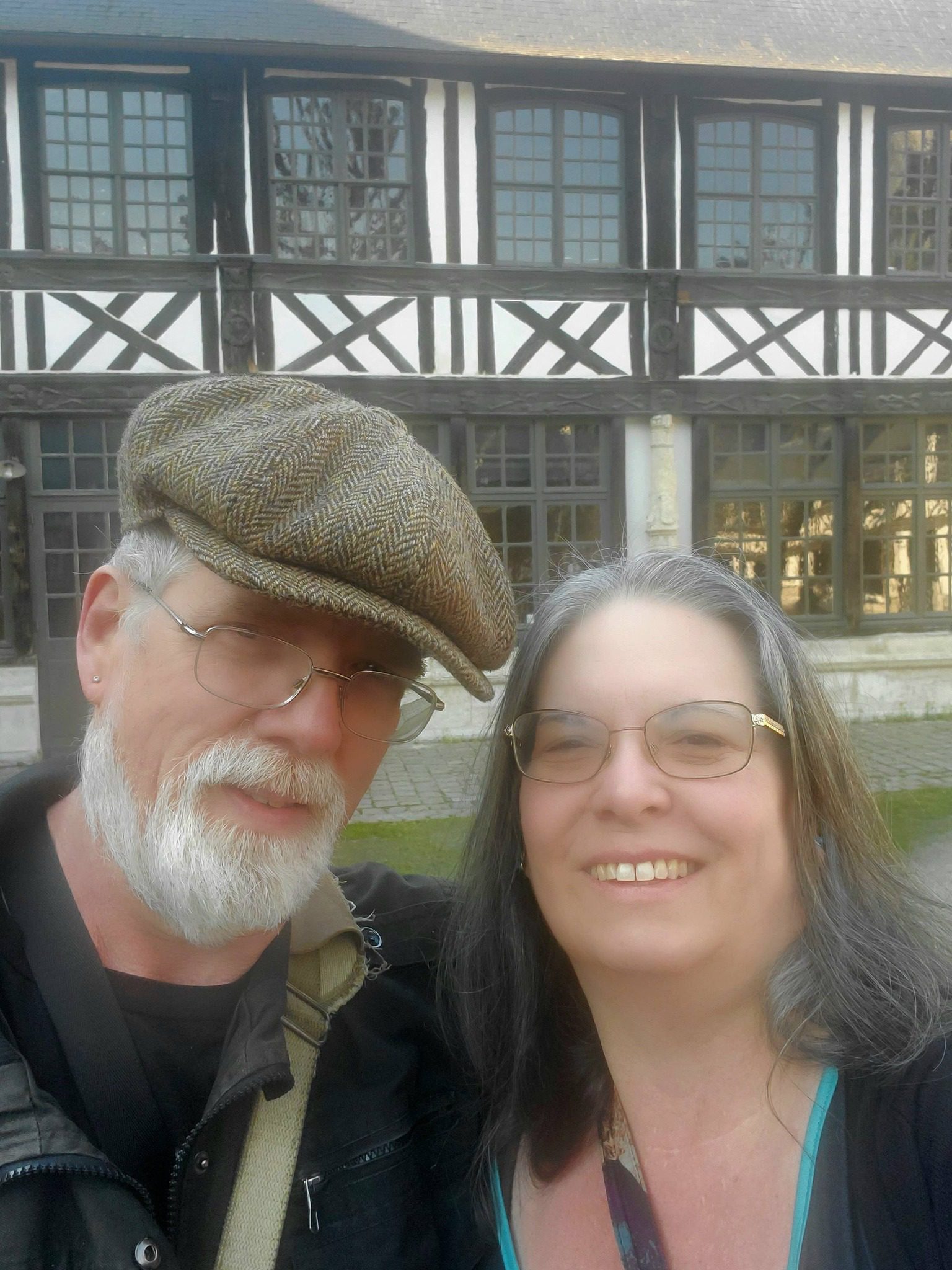


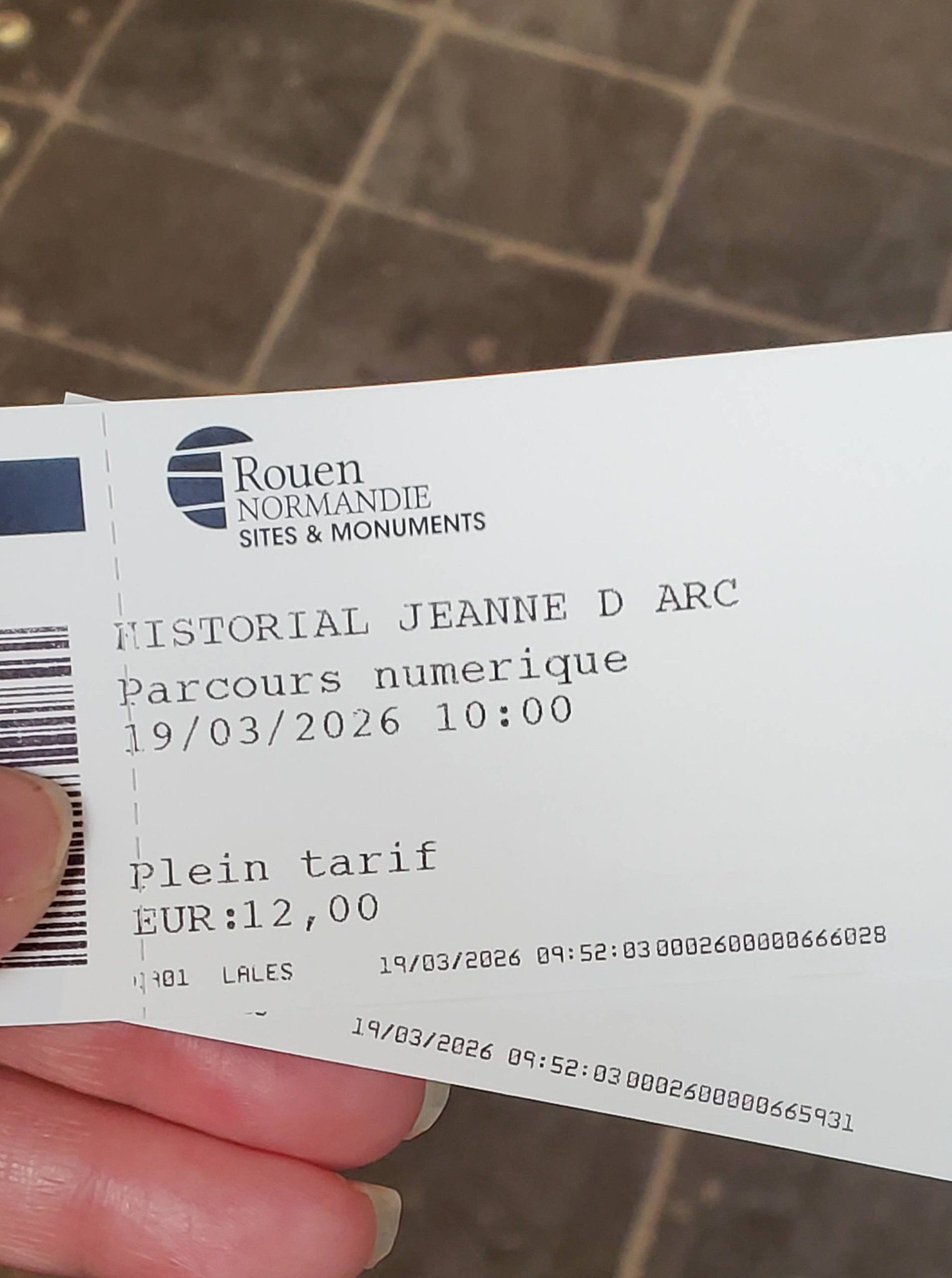


Rouen is a city with a long and rich history, granting it with a prestige that dates back to the Middle Ages. During its peak, the French city was once one of the largest cities in Europe, thriving in large part due to its role in the textile and river trade at the time. Located in the region of Normandy, Rouen was the then duchy’s capital as early as the 10th century. To this day, the city has several historical monuments and museums detailing the abundant history of the region, and despite being quite damaged during WWII, it has prospered yet again in modern times and has much to offer for visitors.
Perhaps Rouen’s best known feature is the Rouen Cathedral. Characterized by its three towers, each of a different architectural style, the cathedral is perhaps so well-known in part because of the series of paintings that French painter Claude Monet had dedicated to it. There are over thirty paintings in Monet’s Rouen Cathedral series, which he had created in hopes to capture the effects of different lighting on a viewer’s perspective of the same subject. Although none of Monet’s world renowned works adorn the cathedral, it is still a stunning view to behold from the inside, in part due to its unique architecture. There are guided tours that offer a comprehensive experience, allowing visitors to truly take in the cathedral on a more profound level.
Monet’s Cathedrals are located in various museums all over the world. However, one of them still resides in Rouen, at the Musée des Beaux-Arts. Established by Napoléon Bonaparte himself, the museum also houses several of Monet’s other works, along with that of Jean-Louis Géricault, Pierre-Auguste Renoir, Ferdinand Delacroix, and several other acclaimed artists throughout history. The works included at the museum span from as early as the 15th century to the modern day, showcasing many of the eras and movements encompassing that timespan.
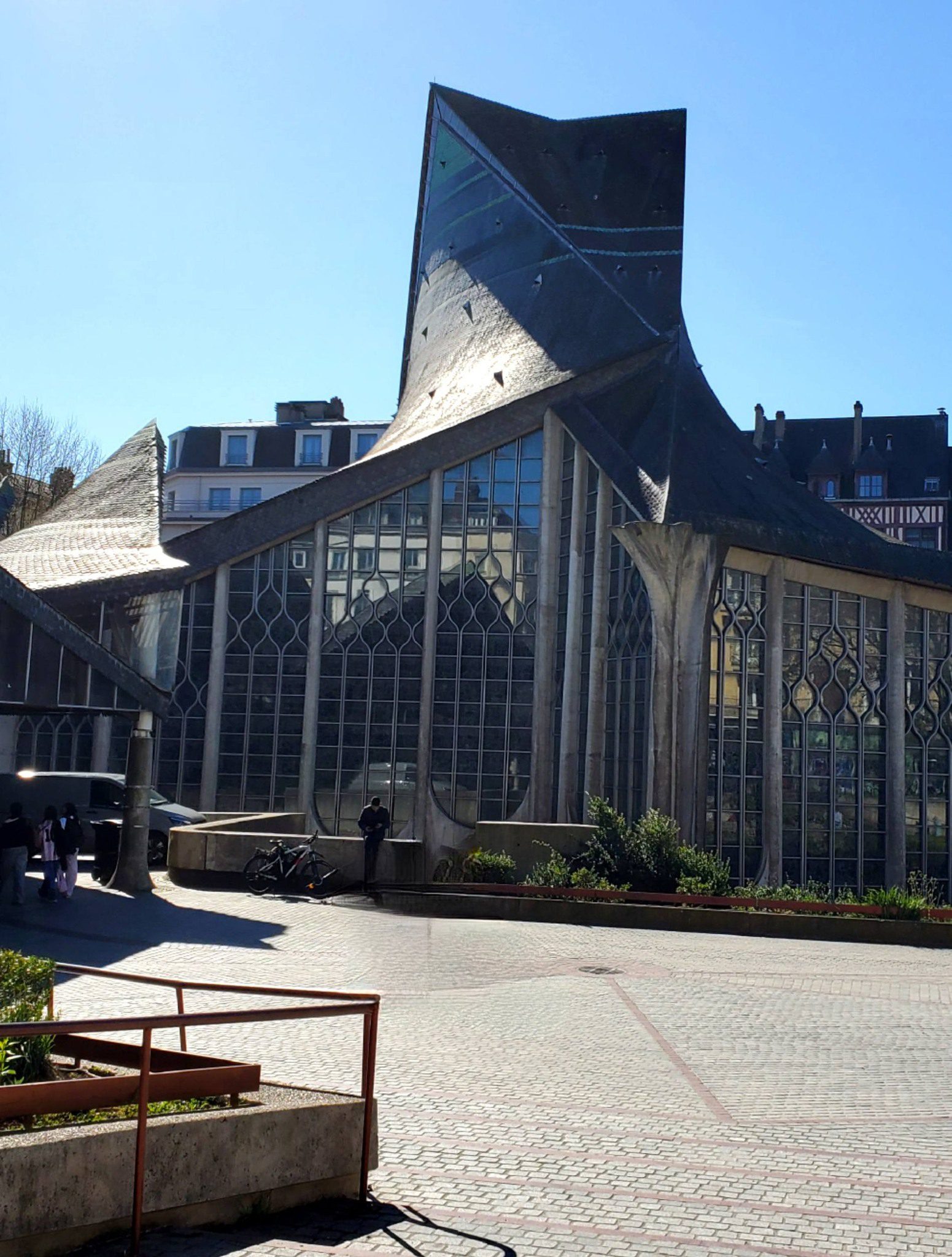
Rouen contains several other monuments to history. Perhaps infamously, Rouen Castle is the place where Joan of Arc was threatened with torture in the 15th century. It was on Rouennais soil that she was tried and executed. The Church of Saint Joan of Arc was constructed at the Place du Vieux-Marché, the square in Rouen where she had been burned at the stake. Also in the city is an astronomical clock known as the Gros-Horloge, located on an arch crossing the Rue du Gros-Horloge, Rouen’s main pedestrian street. Initially built in 1389, it is perhaps the largest functioning clock of its kind.
The long history of Rouen and Normandy at large still exists in the city today. The culture of the city is still alive and well, and there is plenty to learn about and experience in Rouen. Fans of both art and history will find places in the city where their passions can thrive, and many other visitors can still be awe-inspired by the gorgeous architecture and rich culture of the city that lives on even in the modern day.
How we got here: Regional Train from Rambouillet, where we were staying for 6 weeks
Where to stay: Hotel de Bourgtheroulde
Where to eat/drink: Delirium Cafe
Tips: Plan to walk a lot. Most of the sites are fairly close to each other, but easy to miss if you’re not on foot.